

If you’re a wellness-conscious user, you may have heard concerns about electromagnetic fields (EMFs) and extremely low frequency (ELF) exposure in tools like infrared saunas. What do these terms mean, and should you be worried? Read on to learn more about EMF and ELF in simple terms, along with their impact on health.
What are EMFs?
Electromagnetic fields (EMFs) are invisible areas of energy, often referred to as radiation, that are produced by electricity. Anytime an electrical current flows – through power lines, wiring, or appliances – it creates EMFs around it. We encounter EMFs every day from common sources such as:
- Household Electronics: Televisions, computer screens, microwaves, refrigerators, and even hair dryers all emit EMFs when in use. The earth itself has a natural magnetic field, but modern life adds many man-made EMF sources.
- Power Lines and Wiring: The electrical grid (overhead power lines, transformers, and the wiring in your walls) continuously generates EMFs. The closer you are to high-voltage lines or heavy-duty wiring, the stronger the field you might experience.
- Wireless Devices: Cell phones, Wi-Fi routers, and Bluetooth gadgets emit higher-frequency EMFs (radiofrequency radiation). These are also non-ionizing, but distinct from the low-frequency EMFs produced by electrical appliances.
EMFs are measured in units of gauss or milligauss (mG) when referring to magnetic fields (1 gauss = 1,000 mG). For perspective, background magnetic fields in most homes are around 0.1 μT (1 μT = 10 mG), which is about 1 mG or less. But right next to some appliances, magnetic fields can be much higher – a hair dryer at close range, for example, might expose you to tens or even hundreds of milligauss while it’s running. The strength of EMFs drops off rapidly with distance. Even stepping a foot or two away from most appliances greatly reduces your exposure.
What is ELF?
Extremely Low Frequency (ELF) refers to the very low-energy end of the electromagnetic spectrum. Typically, ELF means frequencies from about 3 Hz up to 300 Hz (with some definitions capping it around 100 Hz). This range includes the frequency of utility power (50 or 60 Hz, depending on your country), so the electric and magnetic fields from anything plugged into the wall are mainly ELF EMFs. In everyday terms, ELF fields = the electromagnetic fields from our standard electricity use.
Here are key points about ELF fields:
Electric vs. Magnetic Components
An ELF electromagnetic field has two parts – an electric field (from voltage) and a magnetic field (from current). For example, when your sauna is plugged in but not turned on, the wiring has voltage and creates an electric field. When you turn it on and current flows through the heaters, a magnetic field is generated. Electric field strength is measured in volts per meter (V/m), while magnetic field strength is measured in tesla or gauss.
Natural vs. Man-made ELF
We experience tiny ELF fields in nature in things like lightning and the Earth’s magnetism, but man-made sources dominate our exposure. Any time you’re near operating electrical appliances, outlets, or wiring, you’re exposed to ELF fields. For instance, standing under a high-voltage transmission line can subject you to dozens of volts per meter, or using an electric stove or vacuum can create short bursts of higher ELF fields around you.
Body Voltage
In nature, far from any artificial ELF sources, the body’s baseline voltage is near zero. When you’re surrounded by electrical devices, your body can pick up charge from electric fields, raising your body voltage into the hundreds of millivolts. Sensitive individuals sometimes report that a high body voltage disrupts their sleep or comfort. This is why some people choose to unplug devices or turn off bedroom circuits at night – to reduce ambient ELF fields.
In summary, ELF fields are simply the very low-frequency EMFs that come from our electricity supply and gadgets. They’re all around us, but strong ELF exposure is typically limited to being very near high-power devices or power lines. Infrared saunas, which plug into the wall, can produce ELF EMF too – the key is how much and whether it’s been mitigated.

Why Limit EMF and ELF Exposure?
You might be wondering: if EMFs are everywhere and we live with them daily, why should I care about EMF or ELF levels in a sauna? The answer comes down to frequency and caution. While the scientific community hasn’t reached unanimous conclusions on the health effects of low-level EMFs, there is enough evidence of possible risks at higher exposure levels that many health agencies recommend a “prudent avoidance” approach. Let’s unpack what studies have found and why many people choose to minimize EMF exposure:
Symptoms and Sensitivity
On a more immediate level, some individuals report that strong EMFs make them feel unwell – a phenomenon known as electromagnetic hypersensitivity. While clinical tests haven’t consistently validated these claims, it’s true that high magnetic fields can induce currents in the body, and high electric fields can charge our bodies – effects which, at very high levels, can affect the nervous system or cause tingling sensations.
The average person isn’t consciously affected by the low EMFs in daily life. But if you’re someone who sleeps better after shutting off the Wi-Fi and keeping your bedroom tech-free, you already understand the appeal of minimizing EMFs. Some of the common symptoms attributed (rightly or wrongly) to EMF overexposure include:
- Fatigue and poor sleep
- Headaches or difficulty concentrating
- Irritability or stress
- Loss of energy or mild nausea
People who consider themselves electrosensitive often take steps to create a low-EMF environment for health reasons. While scientific consensus doesn’t confirm EMFs as the cause of these symptoms, if lowering EMF helps you feel better, it’s worth doing. Keeping EMF low in a sauna you use frequently is one such step.
Cancer and EMFs
One of the strongest scientific concerns around long-term EMF exposure has been a link to certain cancers, especially in children. In fact, the World Health Organization’s International Agency for Research on Cancer (IARC) classifies ELF magnetic fields as “possibly carcinogenic to humans”.
This classification was largely based on studies of children living near high-voltage power lines. A pooled analysis of multiple studies found that children exposed to average magnetic fields above ~0.3–0.4 μT (3–4 mG) had about 1.5–2 times the risk of developing childhood leukemia compared to those in lower fields. It’s important to note that such elevated exposure levels are uncommon – less than 1% of children in those studies experienced fields that high in daily life.
Moreover, researchers haven’t identified a clear mechanism (EMFs don’t directly damage DNA), and laboratory studies haven’t confirmed a cause-and-effect relationship. Still, this statistical association has prompted experts to err on the safe side. No one is suggesting that typical household EMFs cause cancer, but prolonged exposure to higher-than-normal EMF might contribute to health risks over time. Given this uncertainty, reducing needless EMF exposure – like using a low-EMF infrared sauna versus a high-EMF one – simply makes sense for peace of mind.
Other Health Concerns
Beyond leukemia, scientists have explored EMF/ELF links to other health issues. Brain tumors, breast cancer, and male fertility problems have been studied in relation to EMFs, mostly with inconclusive results or only slight hints of risk in certain high-exposure jobs. Some epidemiological studies (like those by Kaiser Permanente researchers) have suggested that pregnant women with higher EMF exposures might have higher rates of miscarriage, and there are investigations into whether EMFs could influence conditions like childhood asthma or ADHD.
It’s a challenging area to research because so many factors can confound the results. However, these studies keep the question open – meaning scientists are continuing to watch and research EMF exposure effects.
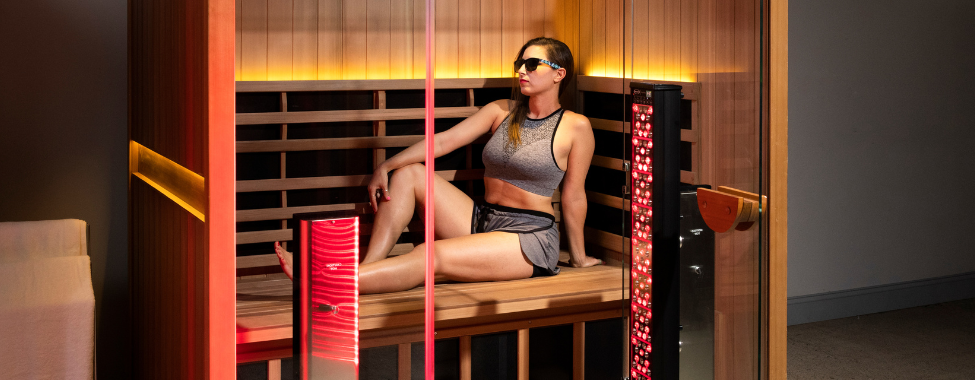
Safety Guidelines for ELF & EMF Exposure
So what’s considered a “safe” level? There is no single worldwide standard, but many experts and agencies have set guideline limits for continuous exposure. A common recommendation is to keep long-term magnetic field exposure under about 2–3 mG as a precaution. The U.S. Environmental Protection Agency (EPA) has proposed a safety guideline of 3 mG, and Sweden’s public health authority also informally recommended staying below 2–3 mG for constant exposure.
For electric fields (ELF), some building biologists suggest a “body voltage” under 100 mV or electric field strength under about 10 V/m as a threshold of concern. These are precautionary guidelines (not hard laws), meant to err on the side of safety. The bottom line: lower EMF is better, especially for something like a sauna that you’ll use regularly in close proximity to the heaters.
Prudent Avoidance
Both the EPA and international bodies like WHO advise a common-sense approach: Don’t panic about EMFs, but don’t dismiss them either. The EPA has stated that “there is reason for concern” about potential EMF health effects and recommends “prudent avoidance” – meaning one should avoid excessive or unnecessary EMF exposure when it’s fairly easy to do so.
This is akin to saying: we’re not 100% sure EMFs are dangerous, but since we can’t yet prove they’re 100% safe in all cases, it’s wise to reduce exposure when feasible. Choosing a low-EMF sauna, turning off devices when not in use, keeping power cords and breakers away from living areas – these are prudent avoidance measures. They cost little but can further lower your long-term exposure.
Keeping EMF and ELF exposure low is part of a preventative wellness mindset. Think of it like avoiding polluted air or drinking filtered water – you’re minimizing potential risks even though you might never be able to pinpoint harm from any single exposure.
EMF & ELF FAQs
Is ELF radiation dangerous?
Not at low levels. ELF (extremely low frequency) fields are all around us, from power lines, wiring, and appliances. Studies show possible effects at higher exposures, but Clearlight saunas operate far below any threshold of concern.
What is a safe EMF level?
For long-term exposure, many experts recommend staying under 3 mG. Clearlight saunas consistently test below this – often under 1 mG.
Who is most sensitive to EMF or ELF?
Some people report symptoms like fatigue or sleep disruption, often described as electromagnetic hypersensitivity (EHS). While science hasn’t confirmed EMFs as the cause, people who are sensitive may benefit from limiting exposure.
Is EMF exposure linked to cancer?
The WHO classifies ELF magnetic fields as “possibly carcinogenic” based on limited data around childhood leukemia. However, no causal link has been proven, and most everyday EMF levels (including those from infrared saunas) are considered safe.
Does EMF exposure accumulate over time?
EMFs don’t build up in the body, but long-term exposure to higher fields may carry risks. That’s why many experts recommend minimizing exposure where practical – like choosing low-EMF saunas, turning off unused devices, and sleeping tech-free.
Feeling Confident About ELF and EMF Exposure
By understanding EMF and ELF, you’re empowered to make the best wellness choices for yourself and your family. The evidence to date suggests low-level EMF/ELF exposure from quality wellness tools like infrared saunas is safe, but it’s wise and easy to choose products that minimize those fields.