The Power of Hot + Cold for Total Body Recovery
Contrast therapy is one of the fastest-growing wellness practices in the world — and for good reason. By alternating between heat and cold, the body activates powerful recovery mechanisms that can improve circulation, reduce inflammation, and support both physical and mental resilience.
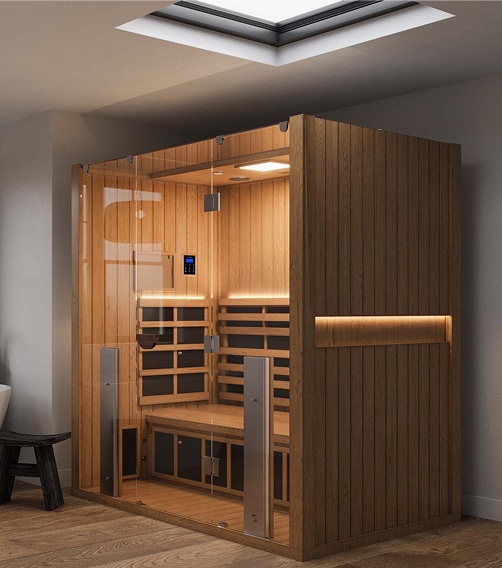
Now, Clearlight® brings this powerful wellness ritual home with the Clearlight Cold Plunge, designed to work seamlessly with our industry-leading infrared saunas for the ultimate contrast therapy experience.
When used together, infrared sauna heat and cold plunge immersion create a powerful cycle that helps the body recover faster, build resilience, and reset both body and mind.
As Raleigh Duncan, founder of Clearlight® Saunas, explains:
“Moderate amounts of stress can actually improve the way we feel and act. ‘Contrast bathing,’ or going back and forth between sauna and cold water, is the perfect way of producing moderate stress without the harmful effects of the more common daily stress we’re all familiar with. It can actually be an antidote to chronic stress.”
Contrast therapy is the practice of alternating between heat exposure (infrared sauna) and cold immersion (cold plunge) to support circulation, recovery, and stress resilience. The combination of hot and cold exposure helps stimulate the body’s recovery systems and is commonly used for wellness, athletic recovery, and relaxation.
The contrast that occurs when moving from heat to cold and back again, causes blood vessels to expand and contract in response to temperature changes. This creates a powerful “vascular pump” effect that helps flush the body, delivering oxygen and nutrients to tissues while removing metabolic waste.
The result is a recovery practice that supports physical performance, recovery, and mental well-being.
Contrast therapy has been used for centuries in Nordic bathing traditions, Japanese onsen culture, and therapeutic recovery practices. Today, it’s rapidly becoming a cornerstone of modern wellness routines — especially as home infrared saunas and cold plunges become more accessible.

Alternating temperatures helps reduce muscle soreness, swelling, and inflammation after exercise or physical strain.

The shift between vasodilation and vasoconstriction helps move blood, oxygen, and nutrients throughout the body.

Cold exposure activates alertness, while infrared heat promotes deep relaxation, creating a powerful nervous system reset.

Many users report increased focus, mood elevation, and emotional resilience after contrast sessions.

Alternating thermal stress may stimulate beneficial shock proteins and support overall resilience.
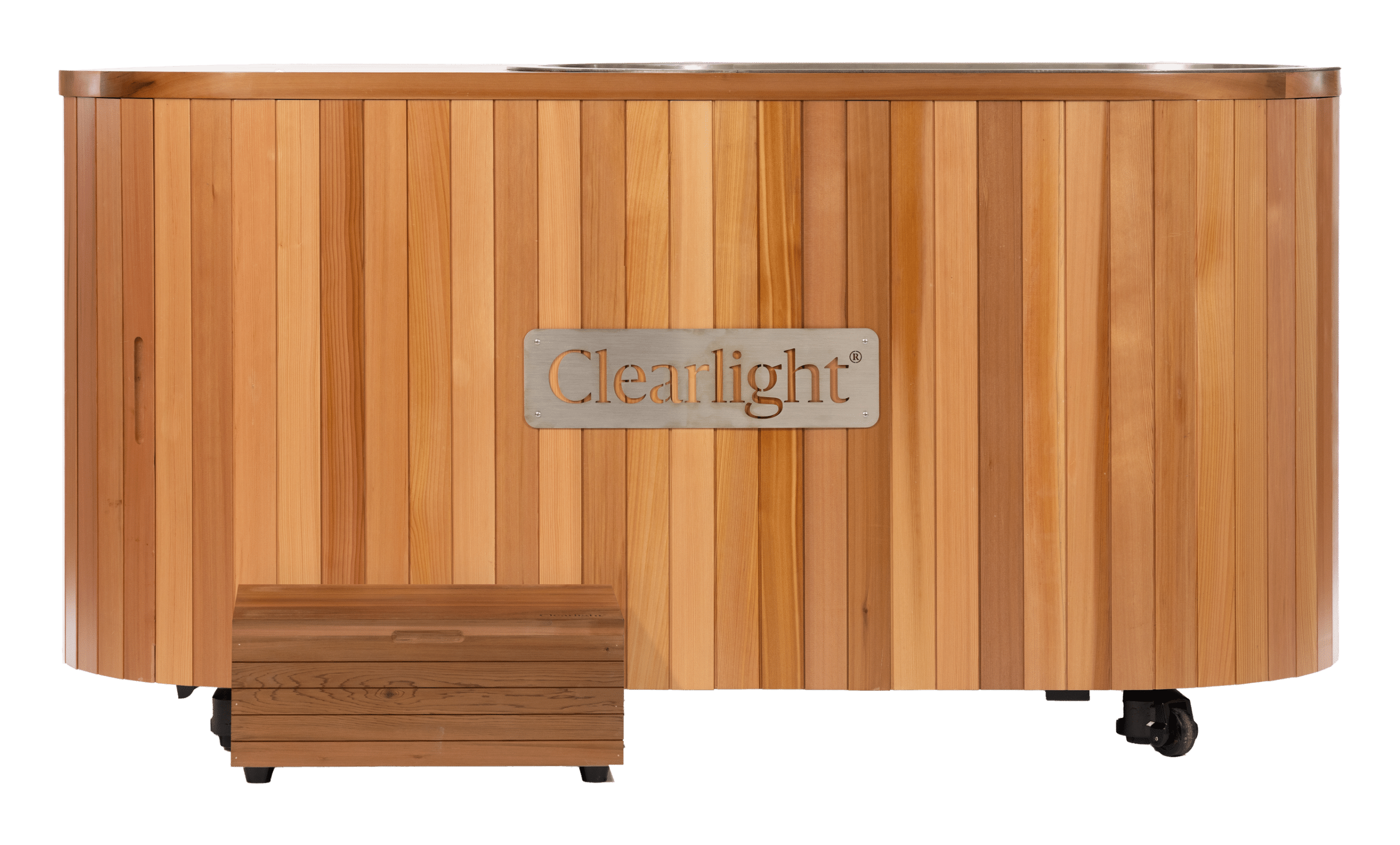
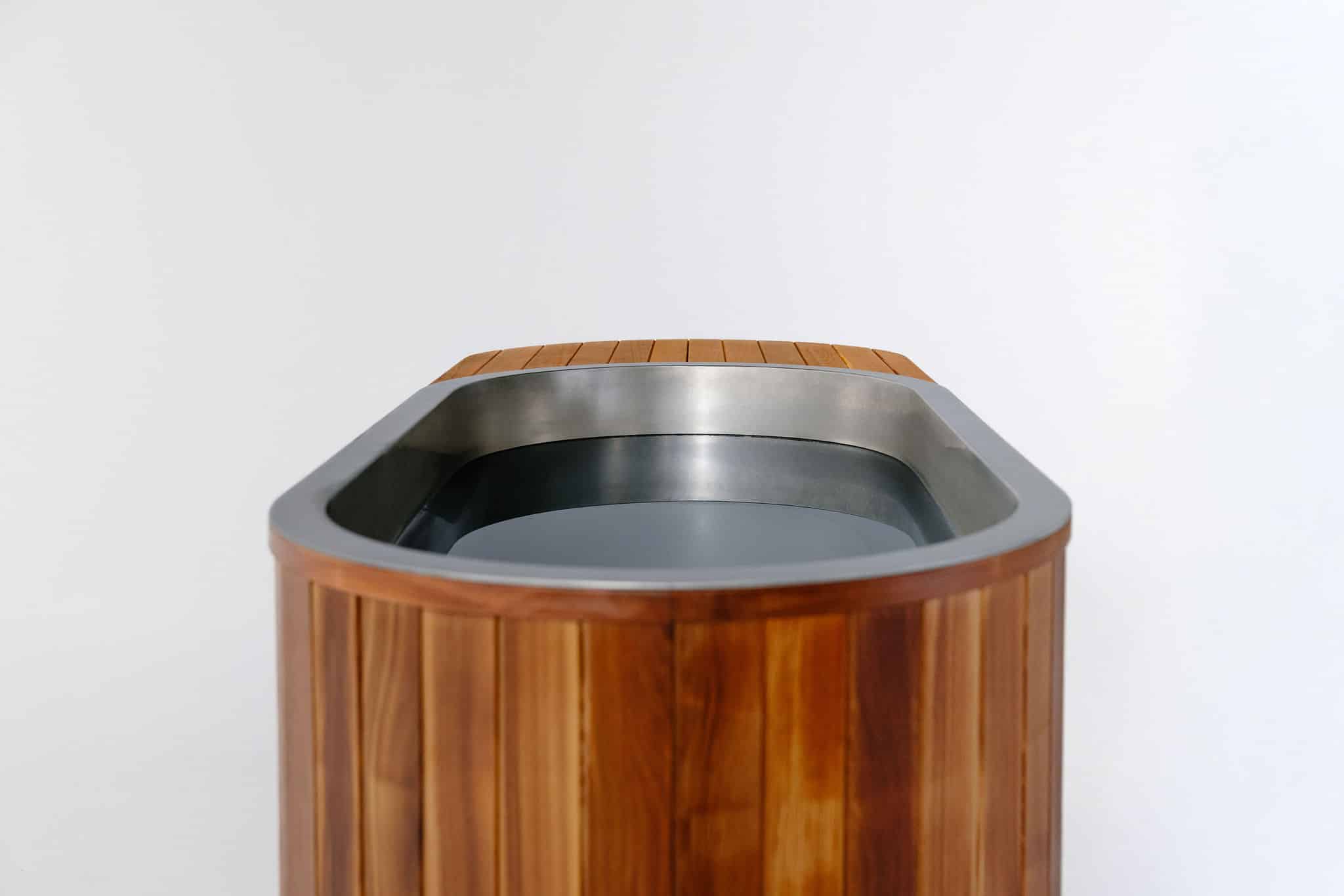
The Clearlight Cold Plunge brings professional-grade cold immersion into your home wellness space.
Designed to pair perfectly with Clearlight infrared saunas, it allows you to create a complete contrast therapy circuit right at home.
Cold plunging immerses the body in chilled water — typically between 50–55°F — triggering powerful physiological responses that support recovery and performance.
Modern cold plunge systems combine precise temperature control, filtration, and durable design, making cold therapy easier and safer than ever.
When combined with infrared sauna sessions, the Clearlight Cold Plunge transforms your home into a complete wellness sanctuary.
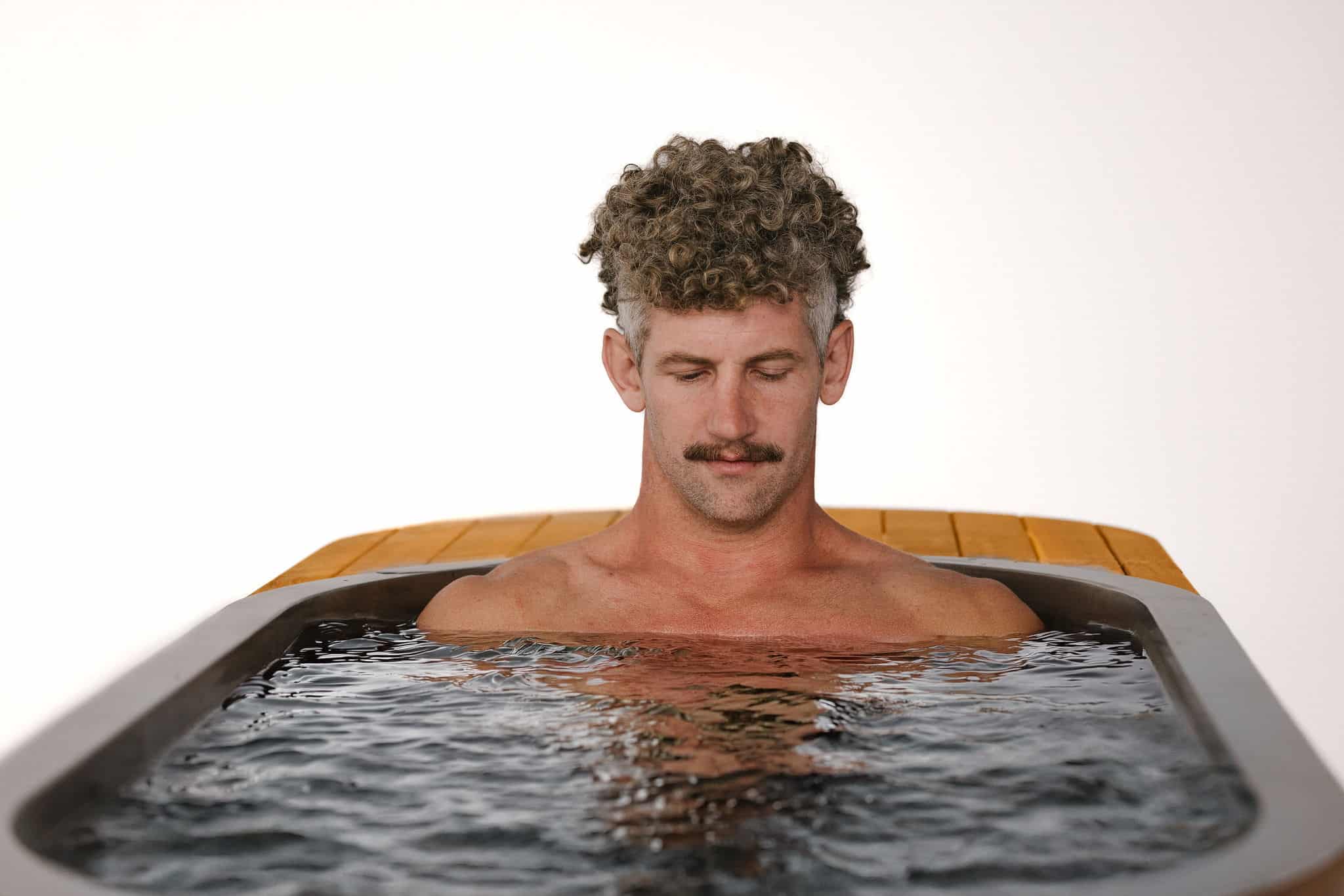
Contrast therapy is simple to incorporate into your routine. “I use a cold plunge at home alongside my infrared sauna,” says Dr. Duncan. “Alternating between heat and cold — what I call state shifting — is a healthy way to produce moderate stress. It can reset the balance between the body’s ‘fight or flight’ and ‘rest and heal’ systems, helping us recover from chronic stress.”
A common contrast therapy routine:
Infrared Sauna: 3–5 minutes
Cold Plunge: 1–2 minutes
Repeat the cycle 3–5 times
Many people choose to finish on cold for inflammation support, while others end with heat for relaxation.
Infrared saunas are particularly well-suited for contrast therapy because their gentler heat makes the transition to cold immersion more comfortable and sustainable.
The best time to do contrast therapy depends on your wellness goals. For post-workout recovery, contrast therapy is often used after exercise to help support circulation, ease muscle soreness, and promote recovery. In the morning, alternating between heat and cold may help increase alertness and energy for the day ahead. In the evening, a more gentle contrast therapy session can support relaxation, though some people may find cold exposure stimulating, so it is best to avoid doing it too close to bedtime. For most at-home routines, starting with 2–3 contrast therapy sessions per week is a practical approach, with frequency adjusted based on comfort, recovery needs, and personal tolerance.
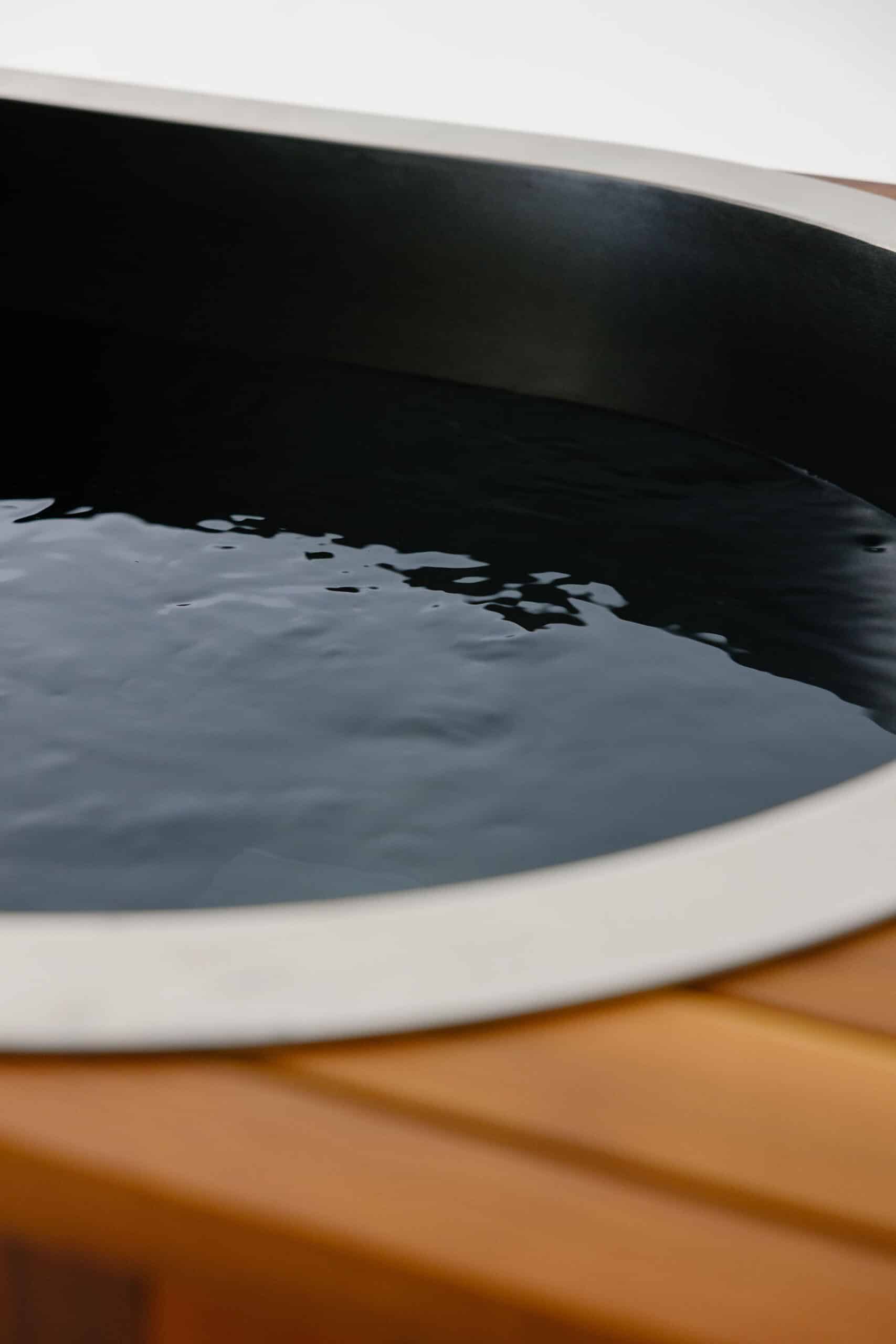
Contrast therapy is quickly moving from spa luxury to daily wellness practice.
With the rise of home saunas and cold plunges, more people are creating personal recovery spaces designed for healing, performance, and longevity.
Clearlight has been at the forefront of this movement for decades.
By pairing the Clearlight Infrared Sauna with the Clearlight Plunge, you can bring the power of contrast therapy into your own home — creating a daily ritual that strengthens your body, clears your mind, and helps you recover from modern life.
As Dr. Raleigh Duncan puts it:
“Contrast bathing can be the simplest way to detoxify, de-stress, and reset the body and mind. Over time, these small, repeated state shifts make us stronger, healthier, and happier.”
Everything you need to know about incorporating cold immersion into your contrast therapy routine, from ideal temperatures and session timing to how to safely pair your cold plunge with a Clearlight infrared sauna.
To create a home contrast therapy circuit, place your Clearlight® infrared sauna and cold plunge close enough to move safely between heat and cold, while still allowing enough clearance for entry, exit, ventilation, and maintenance access. Choose a flat, stable surface with proper drainage nearby, especially for the cold plunge, and confirm that your electrical setup meets the requirements for each product. For the best experience, consider how many people will use the circuit, whether it will be indoors or outdoors, and which sauna model pairs best with your recovery goals and available space.
Most orders ship within 3–5 business days. Standard delivery is curbside; optional in-home placement/white-glove setup may be available, just ask your sauna specialist..
Yes—financing is available with 18-month options starting at $999 down. Final APR, monthly payment, and term length are detailed during your sales process. Ask your sauna specialist for more info.
The unit is optimized for indoor use but can be used outdoors with a weatherproof cover and adequate ventilation above 35°F ambient temperature. Avoid direct exposure to rain/snow; place under cover and maintain required clearances.
Cold plunge therapy (also called cold water therapy or cold plunging) supports muscle recovery, circulation, mental clarity, and overall well-being.
The right contrast therapy setup depends on your available space, wellness goals, and how you plan to use the routine. A larger Clearlight® sauna may be ideal for couples or families, while a smaller model can work well for compact home recovery spaces. Your cold plunge should be placed on a level surface with room for safe entry, drainage access, and regular maintenance. For the smoothest experience, choose a layout that lets you move easily between the sauna and cold plunge while maintaining enough clearance around both products.
Contrast therapy works by exposing the body to alternating heat and cold, creating a powerful recovery stimulus. Heat from an infrared sauna helps increase circulation, relax muscles, and support sweating. Cold immersion may help reduce feelings of soreness and create a stimulating response that supports alertness and mood. Together, the contrast between hot and cold may support:
The best time to do contrast therapy depends on your goal. For recovery, many people use contrast therapy after a workout to help with muscle soreness, circulation, and relaxation. If your goal is performance, avoid intense cold immersion immediately before strength or power training, since cold exposure may temporarily reduce muscle readiness. On rest days, contrast therapy can be used as a recovery ritual to support relaxation and overall well-being. Start with 2–3 sessions per week and adjust based on your training schedule, comfort level, and recovery needs.
Most people benefit from 2-4 times per week, but advanced users may do contrast therapy daily. Consistency is key to gaining long-term benefits.
For most at-home contrast therapy routines, starting with heat is the most comfortable and practical approach. Begin in your Clearlight® infrared sauna to warm the body, promote sweating, and relax the muscles, then transition into the cold plunge for a strong cooling effect. Many people repeat this cycle 2–3 times, ending with cold for a more energizing finish or ending with heat for a more relaxing experience. Beginners should start gradually and listen to their body throughout each round.
A cold plunge tub is a specially designed container filled with cold water, used for immersion therapy. It helps with muscle recovery, circulation, and overall well-being.
The Clearlight® Plunge is a very different product category from a sauna, so we partnered with a third-party manufacturer for the refrigeration and chiller system. Cold plunge systems are designed for continuous operation and involve ongoing exposure to water, electronics, refrigeration components, and outdoor environments.
With that in mind, the Plunge was designed for long-term durability and features a stainless steel tub, galvanized steel structural components, dual filtration, ozone sanitation, and a wide 36°F–104°F temperature range to support long-term performance and water quality.
We manufacture all of the components of our indoor residential saunas, which is one of the reasons we can offer a lifetime warranty on many of those models.
Cold plunge systems are a different product category, and shorter warranty periods are standard across the industry due to the nature of refrigeration systems, continuous operation, water exposure, and outdoor use. Comment end
To keep your tub fresh:
Change the water regularly every 1-3 months depending on frequency of use.
Keep your filters clean:
By Weekly: Rinse the Pre-filter with clean water to remove surface debris.
Every 1–3 months: Replace the sediment filter entirely to maintain optimal performance.
Keep it covered to prevent debris from falling in.
Clean the tub occasionally to remove buildup. Avoid abrasive scrubbers, harsh chemicals and chlorine-based products. Comment end
Cold plunges and saunas serve different purposes. Saunas promote heat therapy, relaxation, and detoxification, while cold plunges focus on recovery and stimulation. Many enjoy alternating between both for contrast therapy.
After exiting the tub, allow your body to naturally reheat instead of jumping into a hot shower immediately. This enhances circulation and metabolic benefits.
Yes, cold plunges may not be suitable for everyone. Avoid them if you have:
Most people benefit from 2-4 times per week, but advanced users may plunge daily. Consistency is key to gaining long-term benefits.
Beginners should start with 30 seconds to 1 minute and gradually build up to 3-5 minutes as their body adapts. Listen to your body and exit if you feel discomfort.
Optimal cold plunge temperatures range between 50°F to 60°F (10°C to 15°C). Some experienced users may go even colder, but it's best to start at a moderate level.
Cold plunging has several advantages:
Still have questions?
Ask A Sauna (and Contrast Therapy) ExpertHeat opens your body's natural pathways for better absorption. Our engineered synergy means faster recovery, deeper detox, and lasting relief.
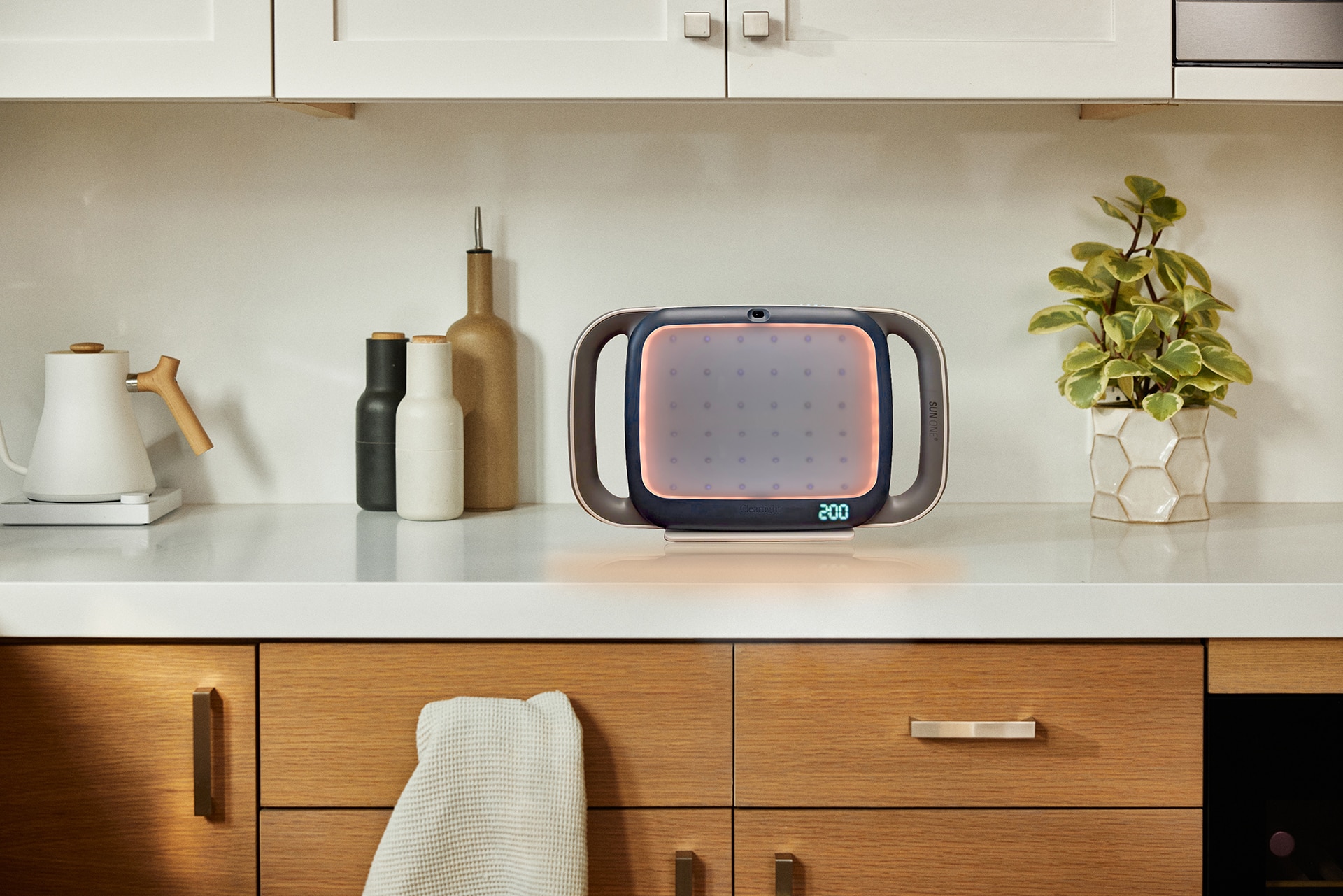
Support your body’s natural vitamin D production with targeted UVB light.
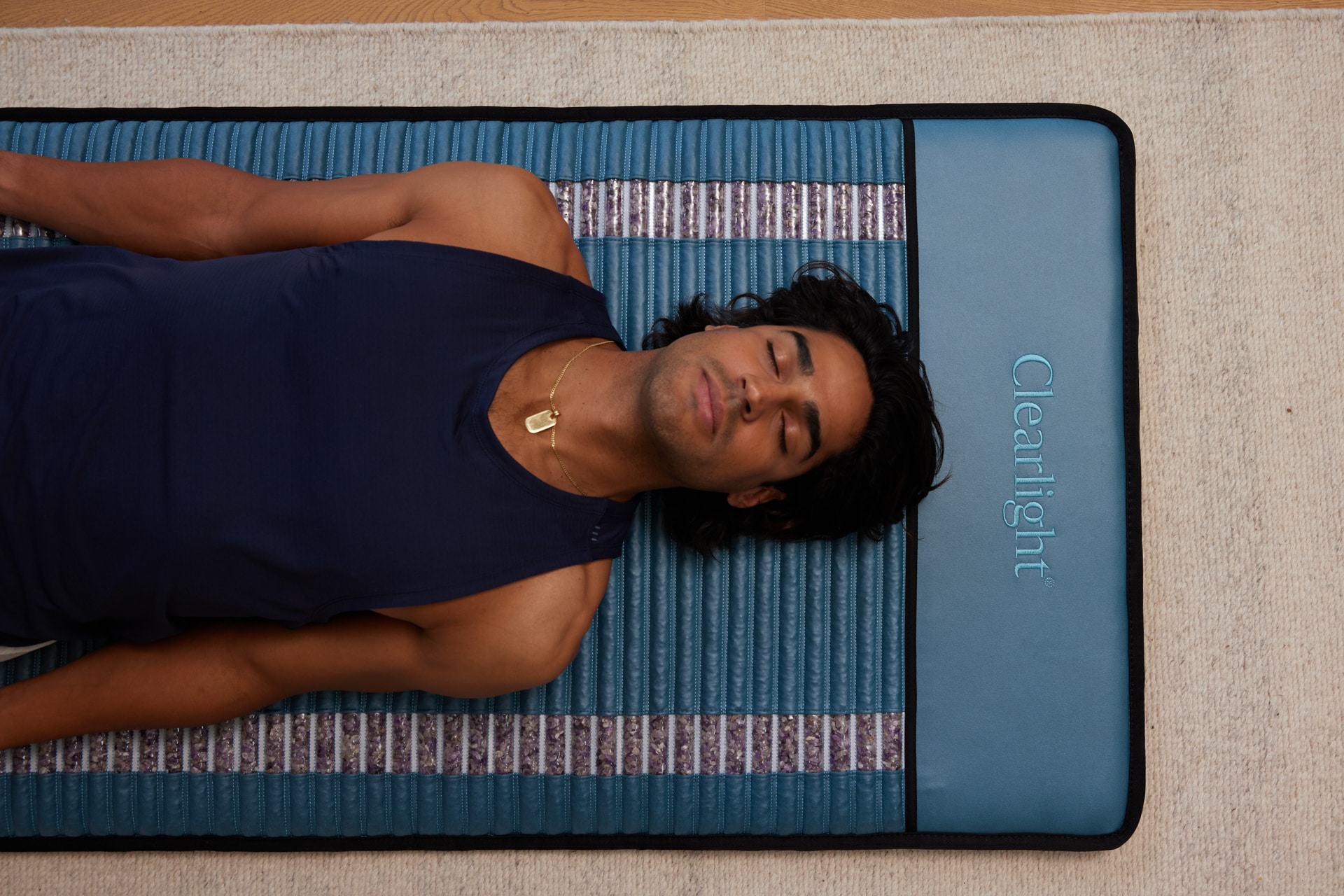
PEMF is commonly used as a non-invasive wellness therapy to promote relaxation, support recovery, and help ease temporary muscle or joint discomfort.
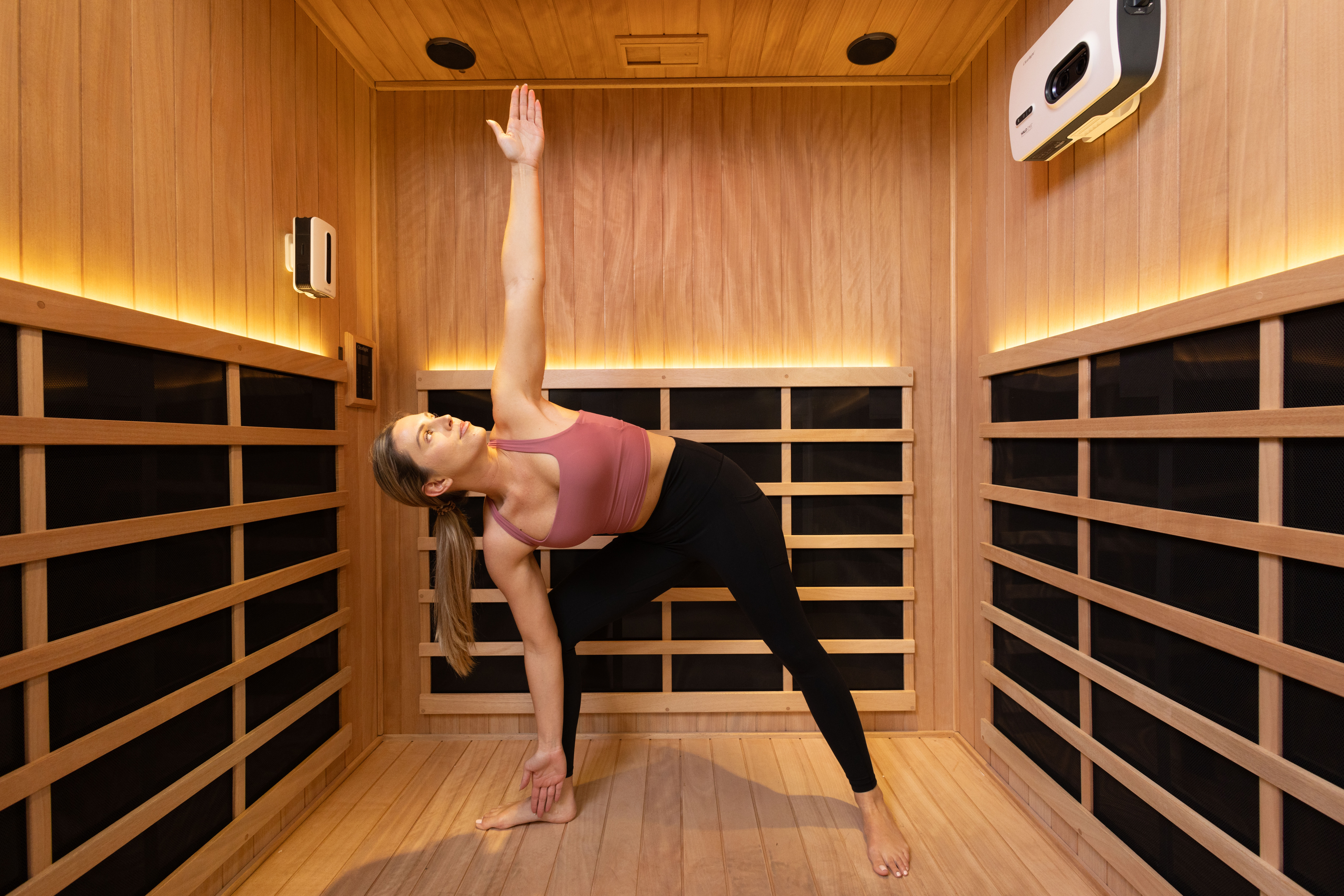
Therapy stacking is the intentional combination of two or more wellness therapies in a single session or routine.
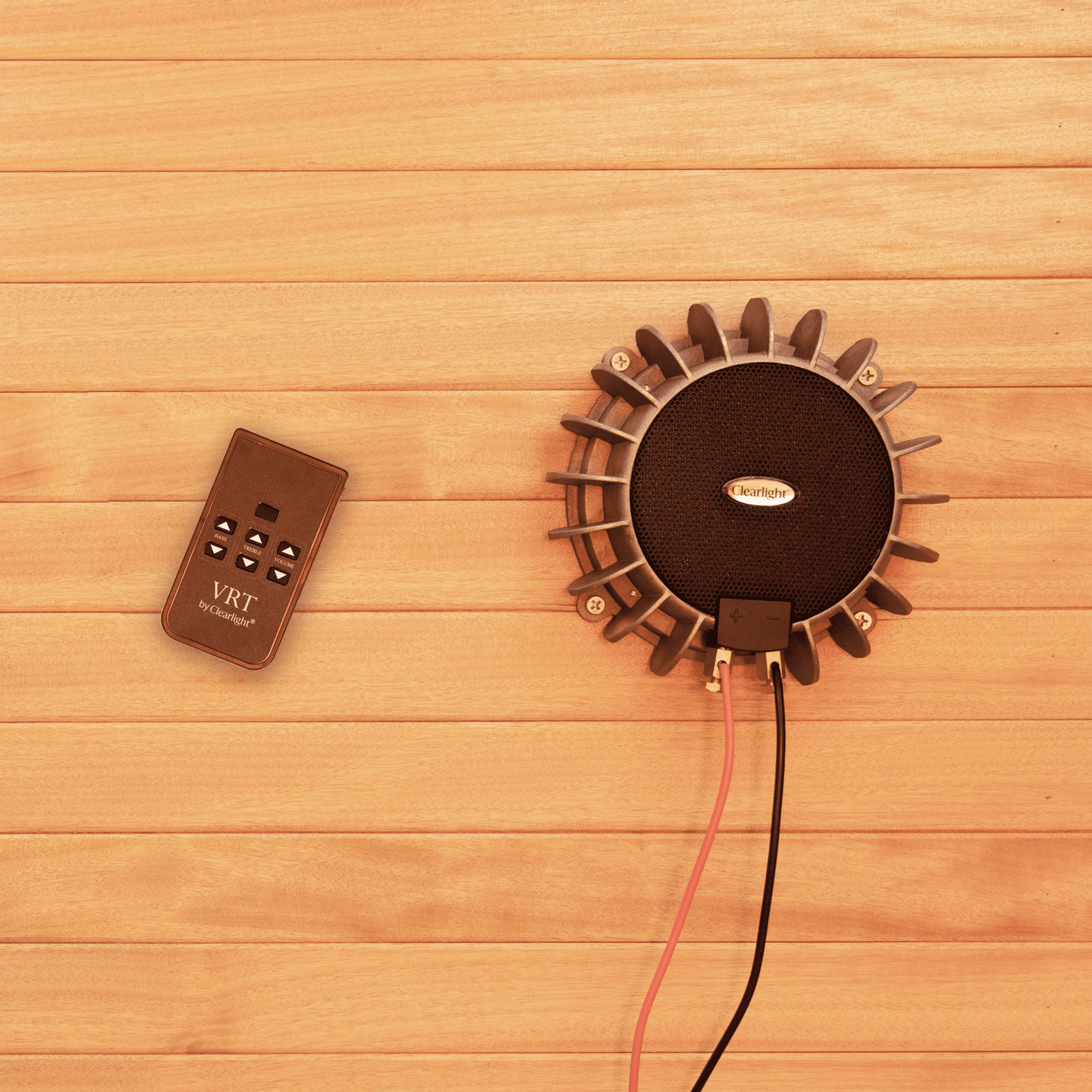
Transform each session into a deeply rejuvenating and meditative experience through the power of sound and vibration.
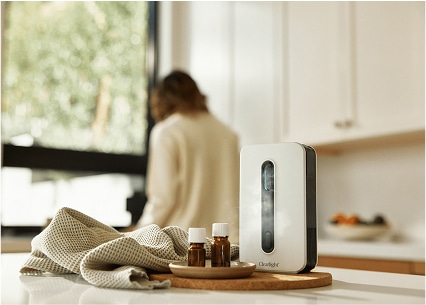
The AROMA ONE uses ultrasonic, high frequency technology to convert water and essential oil into a fine mist that is dispersed in the air—providing a fragrant, long-lasting mist that will enhance your mood and energy.
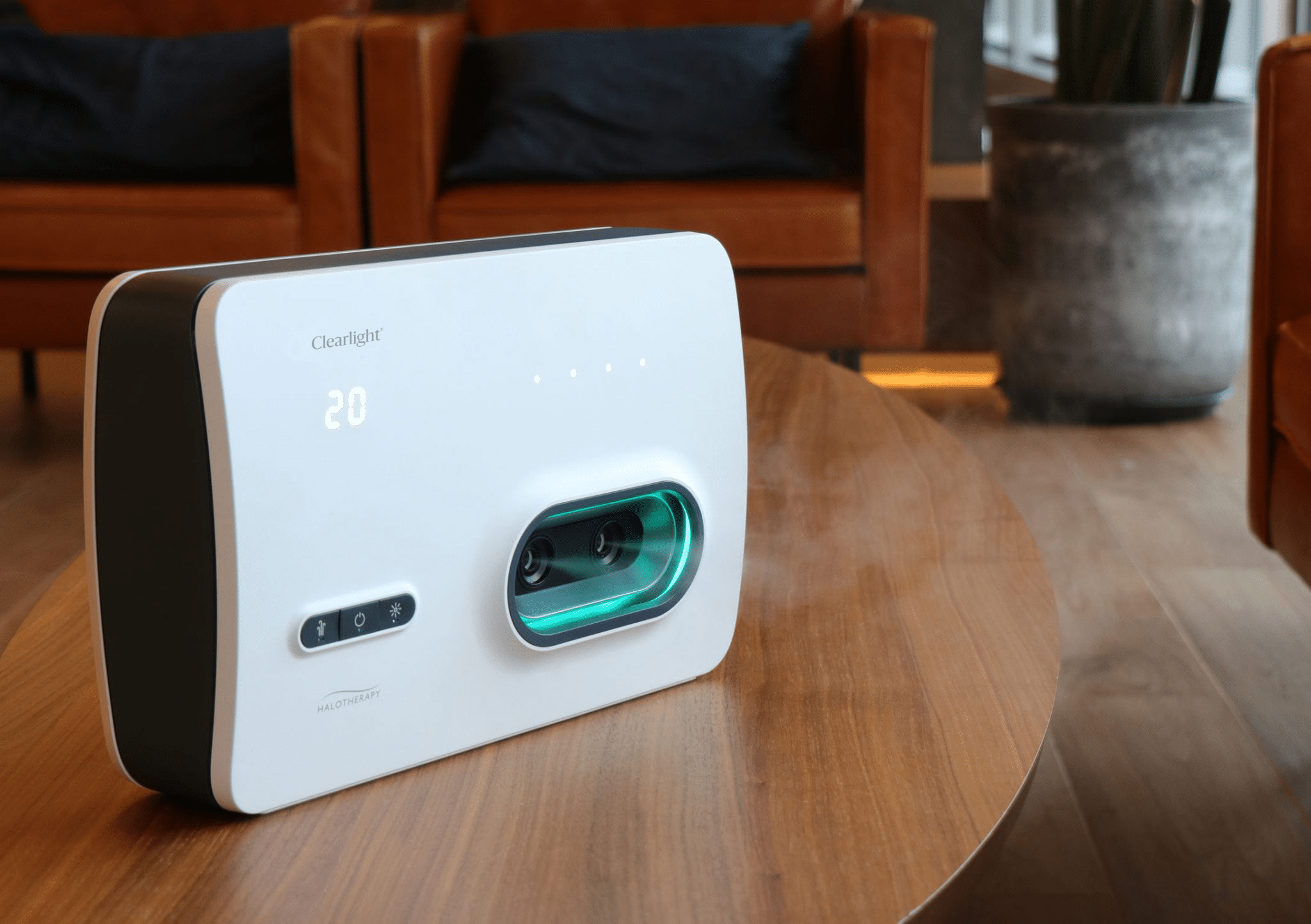
Our Salt Therapy detoxifies the lungs and stimulates the respiratory system—reducing inflammation, clearing blockages, supporting general immune wellness, and reducing overall discomfort.
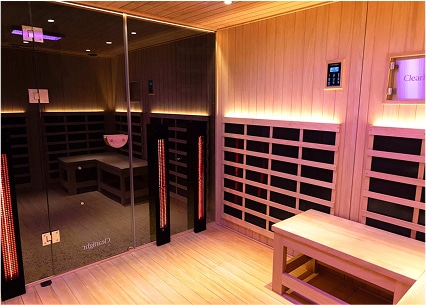
Explore the science and details and see why our True Wave® far infrared heaters make a true difference in your sauna experience.