Cold Plunge Tips: How to Cold Plunge Like a Pro
September 2, 2026
Cold plunge has moved from a niche recovery habit to a mainstream wellness ritual. People use it to wake up, reset after training, build discipline, and support a broader recovery routine. The best part is that it does not need to be extreme to be effective. A good cold plunge session is the one you can repeat safely, comfortably, and consistently.
This guide covers the practical basics: how to get started, how to tailor your session, and how to choose a temperature and duration that fit your body and your goals.
What is Cold Plunge?
Cold plunge means brief immersion in cold water, usually in a tub, tank, or plunge unit. The water temperature and session length can vary, which is why there is no single “perfect” setup.
For some people, cold plunge is part of post-workout recovery. For others, it is a morning routine, a mental reset, or a contrast-therapy practice paired with heat. The experience is simple, but the benefits people look for are usually broader:
- A refreshed, awake feeling
- Support for recovery after exercise
- A calmer response to stress
- A routine that builds resilience over time
- A clean transition into the day
Cold plunge works best when it is treated like a tool, not a test.
Why People Use Cold Plunge
Cold plunge is popular because it fits into real life. It does not require a long appointment or a complicated setup. It is short, direct, and easy to stack into an existing wellness routine.
People often use it to:
- Support post-exercise recovery
- Feel more alert in the morning
- Create a pause in a busy day
- Practice breath control and calm under stress
- Pair with sauna or other heat-based therapies
Cold plunge therapy can help you feel more intentional about recovery.
How to Cold Plunge Like a Pro
Being “good” at cold plunge is less about toughness and more about strategy. The goal is to find the smallest effective dose that still gives you what you want.
1. Start with a clear reason
Before you get in, know what you are trying to do.
If you want energy, keep the session short and energizing. If you want recovery, focus on steady breathing and consistency. If you want a stress reset, make the session calm and manageable. If you are pairing it with a sauna, plan for the transition between heat and cold.
A clear purpose helps you choose the right temperature and time.
2. Begin with a short session
New users often do better with brief exposure. You do not need a long plunge to make it worthwhile. In fact, starting too hard can make it harder to come back tomorrow.
A simple beginner approach:
- Enter slowly
- Keep your shoulders relaxed
- Exhale longer than you inhale
- Stay in only as long as you can remain calm
- Get out before the session becomes a struggle
3. Breathe normally and stay relaxed
Cold water triggers an immediate response. That is normal. The real skill is learning to keep your breathing steady.
Helpful reminders as your body reacts are to relax your jaw, drop your shoulders, keep your face soft, focus on slow exhales, and let the first shock pass before deciding whether to stay longer.
The calmer your nervous system feels, the better the session usually goes.
4. Match the plunge to your goals
Not every plunge should feel the same. A training-day session may look different from a morning reset or a contrast routine.
For example:
- Recovery day: moderate temperature, steady entry, slightly longer hold
- Morning energizer: shorter exposure, a little colder, quick exit
- Stress reset: gentle entry, calm breathing, no pressure to “push through”
- Contrast therapy: warm sauna first, then cold plunge, then rest
5. Let consistency matter more than intensity
Many people think progress means going colder and longer every time. That is not necessary. A consistent routine usually beats an extreme one.
A “pro” routine is one you can repeat week after week without dreading it.
A Simple Temperature Guide for Different People
There is no universal cold plunge temperature that works for everyone. The right range depends on experience, body composition, tolerance, age, goals, and how you respond on a given day.
With insights from research and Cleveland Clinic, the table below is best read as a starting point.
| Person | Suggested starting temperature | Suggested time | Notes |
| Beginner | 53–68°F (12–20°C) | 1–2 minutes | It is recommended to start slow, and cold tap water may be enough for a first plunge. Beginners should limit cold-plunge use to once or twice a week at first. |
| Intermediate | 52–59°F (11–15°C) | 3–10 minutes | This sits in a commonly studied recovery range. A systematic review found that 11–15°C and 11–15 minutes produced strong results for soreness management, though the overall “best” protocol is still not definitive. |
| Experienced / pro | 50–59°F (10–15°C) | Up to 10–15 minutes if well tolerated | More experienced users often stay within the studied recovery range and adjust based on comfort and recovery goals rather than chasing the coldest water possible. |
The main takeaway: use the range that feels challenging but manageable. Gender can influence tolerance for some people, but it should never replace individual adjustment. Age, size, experience, and how you feel that day matter just as much. It is recommended to consult with your doctor before attempting any extreme heat therapies.
How Often Should You Cold Plunge?
Frequency depends on your goal. Some people use cold plunge several times a week. Others use it only after hard workouts or when they want a reset.
A practical starting rhythm:
- Beginners: 1–2 times per week
- Regular users: 2–4 times per week
- Athletes or advanced users: as needed around training and recovery
The best frequency is the one that supports your routine instead of exhausting you.
Common Cold Plunge Mistakes to Avoid
Cold plunge is simple, but a few mistakes can make it less enjoyable.
- Going too long too soon: You do not need to prove anything. Longer is not always better.
- Choosing water that is too cold for your experience level: If the plunge feels overwhelming, it becomes harder to stay consistent.
- Holding your breath: Breath-holding can increase tension. Calm exhalations are usually more useful.
- Treating discomfort as the point: Some discomfort is normal. Struggle is not the goal.
- Copying someone else’s routine exactly: What works for a trained athlete may not be right for your body.
How to Build a Better Routine Around Cold Plunge
Cold plunge can stand alone, but it also fits naturally into a larger wellness routine.
Here are a few ways people like to use it:
- After strength training for a clean recovery transition
- In the morning for an alertness boost
- After sauna for contrast therapy
- On low-energy days as a mental reset
- During recovery weeks as a simple habit that keeps you engaged
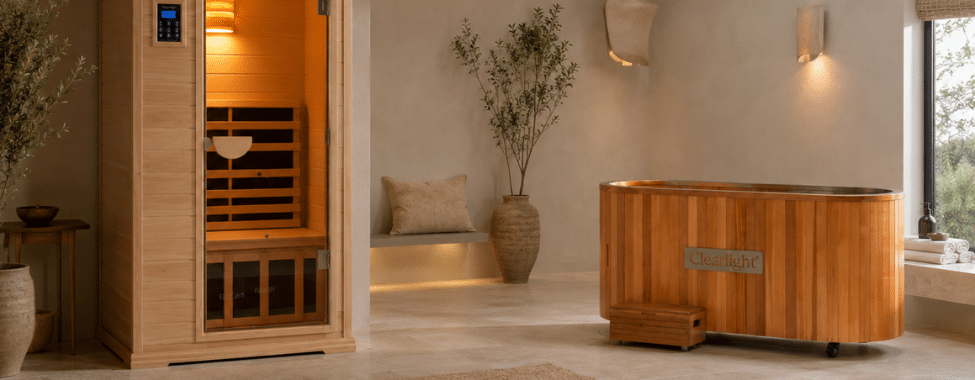
Cold Plunge and Sauna: Why the Combination Is So Popular
Cold and heat create a strong contrast. Many wellness enthusiasts like alternating sauna and cold plunge because the two experiences feel different but complementary.
A typical contrast routine might look like this:
- Warm up in the sauna
- Hydrate and pause briefly
- Move into the cold plunge
- Breathe steadily and keep the session brief
- Rest afterward and let your body settle
That combination is popular because it feels both energizing and restorative. It also gives you a flexible routine you can personalize based on the day.
Cold Plunge FAQs
How long should I stay in a cold plunge?
Start with a short session and increase slowly as your comfort improves. The right length is the one you can repeat without feeling overwhelmed.
Should I cold plunge before or after a workout?
Many people prefer it after a workout or on recovery days. The best choice depends on your training goals and how your body responds.
Is colder always better?
No. Colder is not automatically better. A session that is too intense can be hard to maintain. A comfortable, consistent routine usually wins.
Can I combine cold plunge with sauna?
Yes. Many people use cold plunge with sauna as part of contrast therapy. The heat-cold pairing is one of the most practical ways to build a balanced recovery routine.
Plunging Into Your Cool New Health Routine
Cold plunge does not have to be extreme to be effective. The smartest approach is to start with a comfortable temperature, keep your first sessions short, and adjust based on your own body rather than someone else’s routine.
The best cold plunge plan is the one you can sustain. If it helps you feel more recovered, more focused, or more ready for the day, you are on the right track.
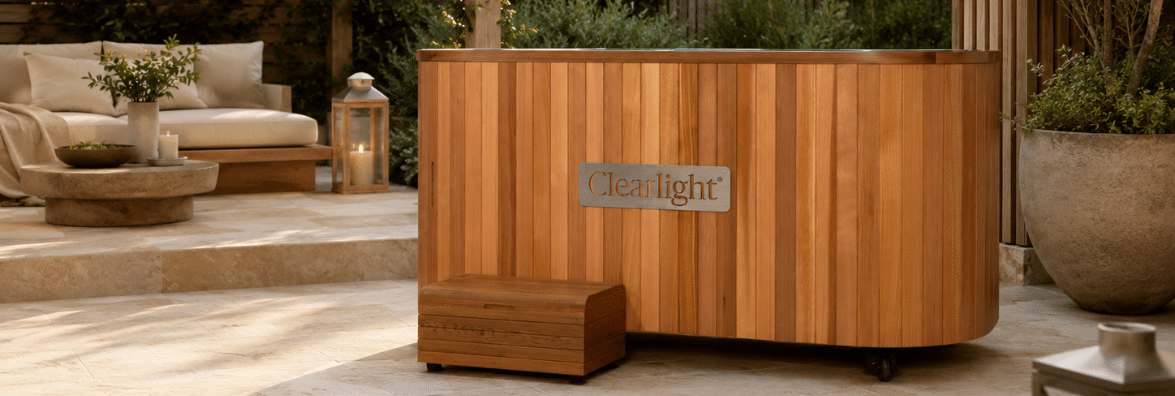
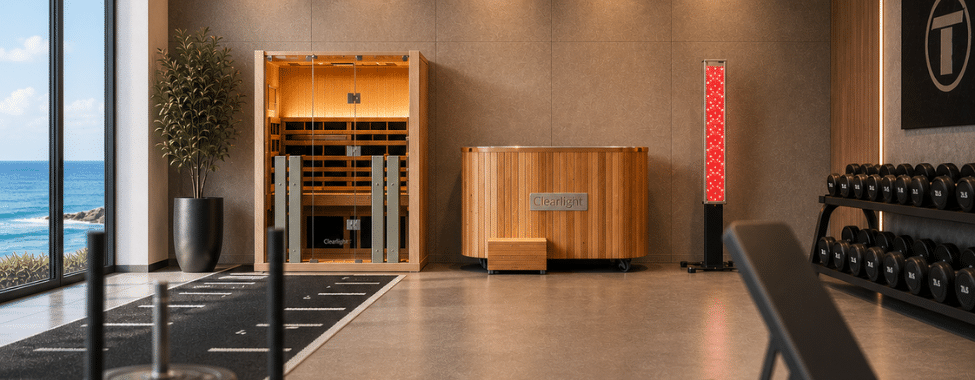
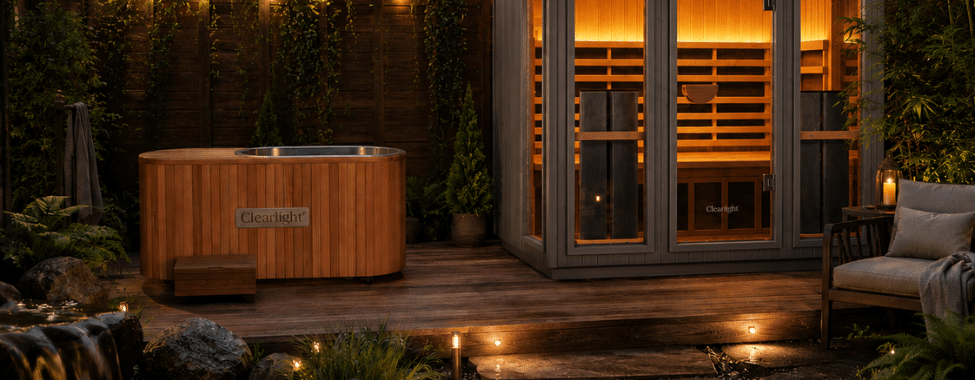
For those building a more complete recovery routine, the Clearlight® Plunge can fit naturally into a contrast-therapy approach alongside infrared sauna and other wellness modalities. Clearlight is focused on personalized layering, so your cold plunge routine can be part of a larger experience that supports recovery, relaxation, and overall well-being.