Exploring Blue and Red Light Therapy for Acne-Prone Skin
October 21, 2026
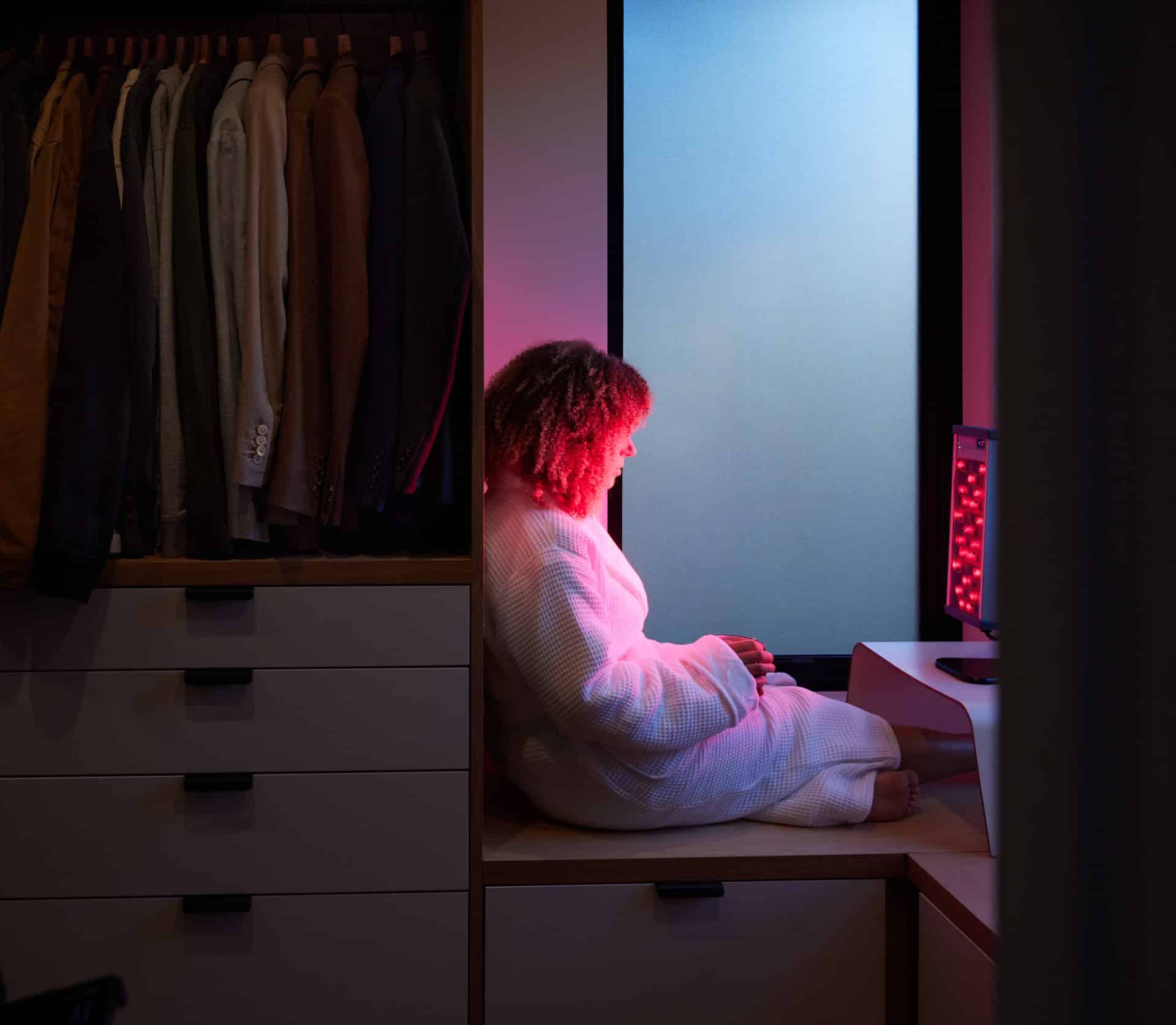
This clinical study explored how a combination of blue and red LED light therapy may help improve mild to moderately severe facial acne.
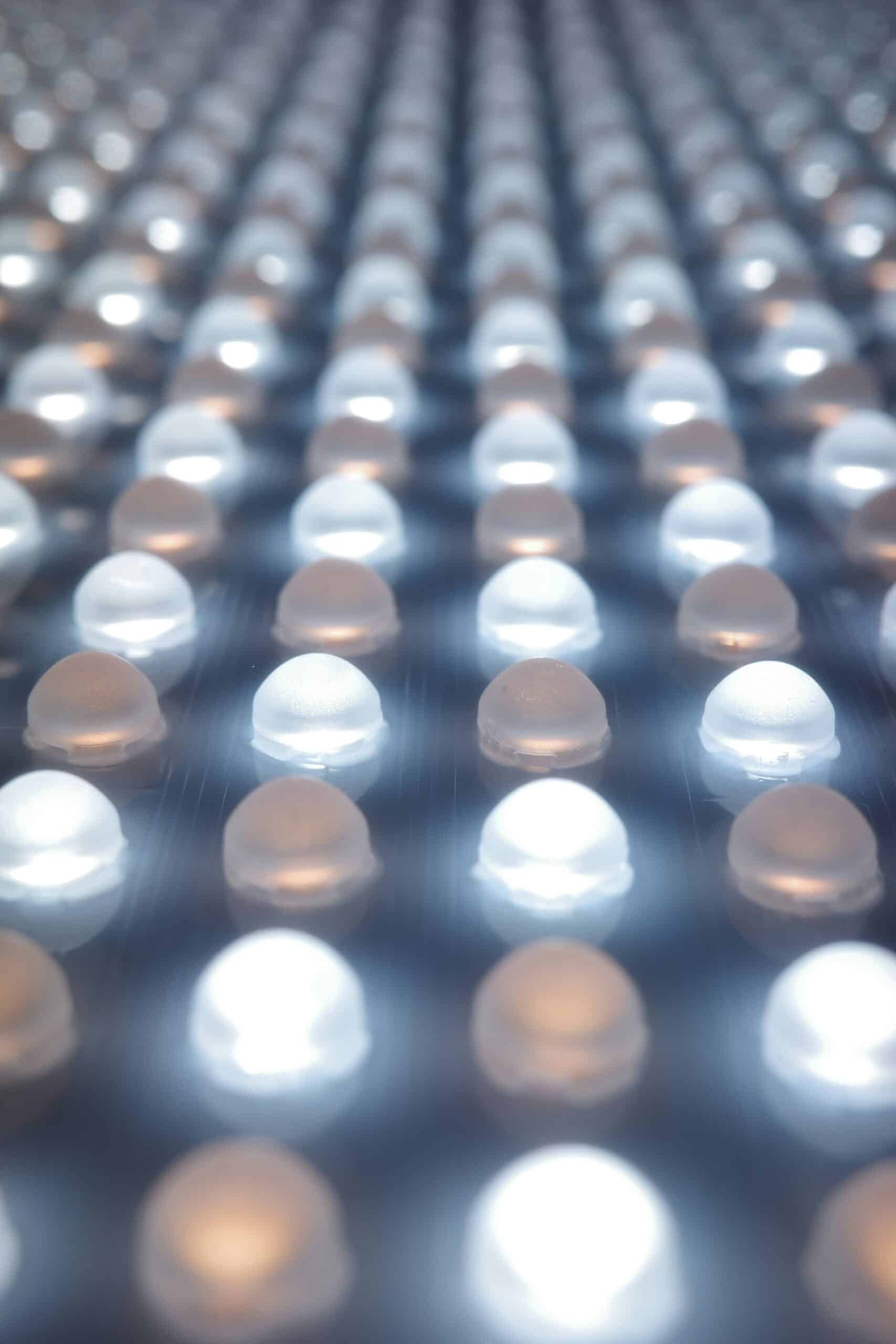
Twenty-four participants received alternating treatments with 415 nm blue light and 633 nm red light twice per week for four weeks. Researchers evaluated changes in both inflammatory and non-inflammatory acne lesions during treatment and for up to eight weeks afterward.
The study found an average improvement of approximately 78% in inflammatory lesions and 34% in non-inflammatory lesions. Researchers also observed a decrease in measured melanin levels, while more than half of participants spontaneously reported brighter-looking skin and improved skin texture.
The researchers concluded that combined blue and red LED phototherapy may offer a safe, non-invasive, and painless approach for managing acne, particularly inflammatory acne lesions. Blue light may help target acne-associated bacteria, while red light may provide complementary benefits for the skin.
In other words, combining blue and red LED wavelengths may help support clearer-looking skin by addressing multiple factors associated with breakouts, while offering a gentle, non-invasive treatment approach.