The Benefits of Infrared Saunas for Firefighters & Firehouses
August 27, 2026
Firefighters are trained to manage intense environments, make fast decisions, and carry out physically demanding work under pressure. Recovery deserves that same level of intention.
An infrared sauna can be a useful addition to a broader firefighter wellness routine – whether it is installed in a station fitness or recovery area, or used at home between shifts. The goal is not to replace medical care, department rehabilitation procedures, decontamination, sleep, or fitness. It is to create a consistent space for warmth, relaxation, and recovery when the body is ready for it.
For firefighters, the best sauna routine is a safe, practical one: use it after cooling down and rehydrating, keep sessions manageable, and make it one part of a larger commitment to long-term health.
Why Firefighters May Benefit From an Infrared Sauna Routine
The fire service places unique demands on the body. Heavy PPE, intense physical work, interrupted sleep, heat exposure, training, and the emotional weight of emergency calls can all make recovery harder to prioritize.
Infrared saunas use infrared heat to warm the body directly, rather than relying only on extremely hot air. Many people find this creates a more comfortable way to experience sauna heat, making it easier to build a regular practice.
For firefighters, a consistent infrared sauna routine may support:
- Relaxation after physically and mentally demanding shifts
- Temporary relief from everyday muscle tightness and stiffness
- A calm transition from an adrenaline-filled day into off-duty time
- A sense of routine around recovery and self-care
- Time away from screens, gear, and daily demands
- General cardiovascular conditioning through heat exposure, when appropriate for the individual
The value is often less about one dramatic session and more about consistency. A firefighter who has a reliable place to decompress, stretch, hydrate, and reset may be more likely to protect time for recovery overall.
When Should Firefighters Use an Infrared Sauna?
Timing matters. After a fire, training evolution, or strenuous call, the immediate priorities are cooling, hydration, rehabilitation, nutrition when needed, and medical evaluation if symptoms are present.
Using a sauna while already overheated, dehydrated, dizzy, exhausted, or unwell can add unnecessary strain. Heat stress is a real occupational hazard for firefighters, especially when physical exertion and PPE are involved. The U.S. Fire Administration’s rehabilitation guidance underscores the importance of managing heat stress and medical considerations during emergency operations.
A simple rule: sauna is for recovery after the body has recovered enough for heat.
A firefighter-friendly approach to sauna timing
- Finish mandated post-incident or post-training rehab first.
- Follow station protocols, cool down, hydrate, eat if appropriate, and complete decontamination.
- Wait until you feel stable and comfortable.
- Avoid the sauna if you still feel overheated, lightheaded, nauseated, unusually fatigued, or dehydrated.
- Use it on rest days or lower-demand days when possible.
- Many firefighters may find sauna sessions most practical after a workout, on a day off, or before a restful evening at home.
- Keep the routine flexible around calls and sleep.
A short, comfortable session is more useful than forcing a longer one when your body is not ready.
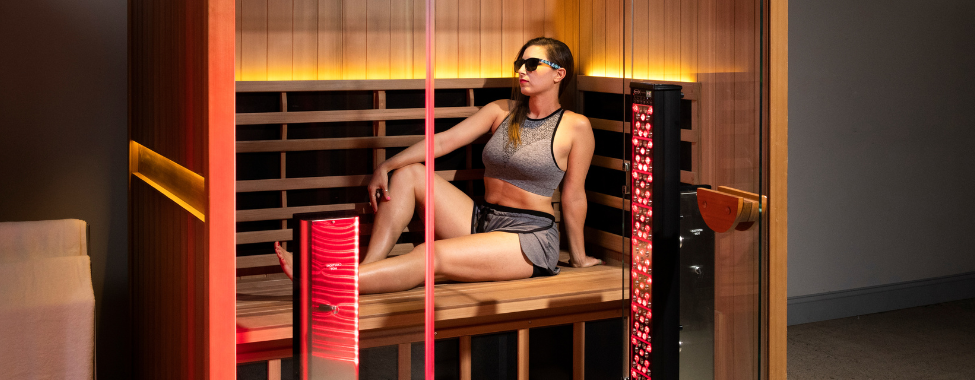
How to Start an Infrared Sauna Routine
There is no single ideal sauna plan for every firefighter. Fitness level, heat tolerance, medications, health history, sleep, age, and workload all matter.
For most people, beginning conservatively is the smart move.
A simple starting routine
- Start with 10 to 15 minutes at a comfortable temperature.
- Drink water before and after the session.
- Sit or lie down quietly; use the time to breathe, stretch gently, or simply decompress.
- Gradually increase session length only if you feel well and tolerate the heat comfortably.
- Step out immediately if you feel dizzy, nauseated, weak, faint, or uncomfortable.
- Cool down gradually afterward and continue hydrating.
Firefighters with cardiovascular conditions, a history of heat illness, low blood pressure, pregnancy, or health concerns – and those taking medications that affect hydration, blood pressure, or heat tolerance – should speak with a qualified healthcare professional before starting sauna use.
Why a Sauna Can Make Sense in a Firehouse
A firehouse sauna is not just an amenity. When thoughtfully incorporated into a wellness program, it can help make recovery more visible, accessible, and routine.
Firefighters often spend long shifts in the station, which can make at-home wellness habits difficult to maintain. A designated recovery space can give personnel a practical option after fitness training or during appropriate downtime—not immediately after a working fire or in place of rehab.
For departments, an infrared sauna can complement existing wellness resources such as:
- Fitness equipment and mobility areas
- Hydration and nutrition stations
- Peer-support and behavioral-health programs
- Sleep and fatigue-management initiatives
- Massage, stretching, or recovery tools
- Medical screenings and annual wellness evaluations
The National Fallen Firefighters Foundation encourages comprehensive wellness programs that include proactive attention to both physical and mental health. Its guidance on comprehensive firefighter wellness offers a helpful reminder: the strongest programs do not rely on one solution. They create systems that support firefighters over time.
What Firehouses Should Consider Before Installing a Sauna
A successful station sauna program needs more than the right equipment. It needs clear expectations around safety, cleanliness, access, and use.
Before purchasing or installing a sauna, departments should consider:
- Location: Place the sauna in a clean wellness or fitness area, away from apparatus bays, contaminated gear, and diesel exhaust.
- Capacity: Choose a size that fits expected use without creating unnecessary wait times.
- Electrical and ventilation needs: Confirm installation requirements with qualified facility, electrical, and building professionals.
- Policies: Establish who may use the sauna, when it is available, how long sessions should last, and when use is not appropriate.
- Cleaning: Assign clear cleaning and maintenance responsibilities.
- Medical guidance: Align sauna use with department wellness policies, occupational health guidance, and any applicable labor or risk-management requirements.
- Education: Make sure members understand that a sauna does not replace post-fire rehab, decontamination, hydration, medical assessment, or behavioral-health care.
A written policy can also help protect the purpose of the space. It keeps sauna use centered on responsible recovery rather than turning it into an unstructured or inconsistent station perk.
At-Home Sauna Benefits for Firefighters
For firefighters who prefer to recover at home, an infrared sauna can create a dedicated boundary between the demands of the job and personal time.
A home routine may be especially helpful for firefighters who want a quiet, predictable recovery practice around rotating shifts. It can also make it easier to pair sauna time with other restorative habits, such as mobility work, hydration, a protein-rich meal, journaling, or a screen-free wind-down before bed.
The key is to keep expectations realistic. A home sauna does not erase the stress of the job, solve chronic sleep disruption, or replace professional support. It can, however, offer a repeatable environment to pause and care for yourself.
Try pairing a short session with this simple post-shift reset:
- Shower and change into clean, comfortable clothing.
- Rehydrate and eat a balanced meal or snack.
- Spend 10 to 20 minutes in the sauna if you feel fully recovered from heat and exertion.
- Cool down gradually.
- Do a few minutes of gentle mobility or breathing.
- Protect the next hour from work emails, doom-scrolling, and unnecessary stimulation when possible.
A Better Recovery Culture Starts With Practical Options
Firefighters spend their careers showing up for others. A thoughtful wellness program should make it easier for them to show up for themselves, too.
Infrared saunas can be a meaningful addition to a firefighter recovery plan when they are used responsibly. For departments, they can help build a more intentional wellness environment. For individual firefighters, they can make recovery feel more accessible between demanding shifts.
Clearlight has supported firefighter wellness through its California firefighter initiative, created alongside Perspire Sauna Studio and HigherDOSE in response to wildfire-related needs. The initiative offers eligible firefighters access to infrared sauna sessions and portable wellness resources, reflecting a broader commitment to helping first responders prioritize restoration and recovery.
With infrared sauna options for firefighters in both residential and commercial settings, Clearlight helps firefighters and departments create a wellness space that fits their goals, available space, and daily routines.
Clearlight has also provided philanthropic funding for a study of endocrine disrupting chemicals, heavy metals, and mycotoxin research at UCSF.
See More Sauna Benefit Research
FAQs About Infrared Saunas for Firefighters
Can firefighters use a sauna after a fire?
Not immediately. After a fire or intense training, prioritize department rehabilitation procedures, cooling down, hydration, medical evaluation when needed, showering, and decontamination. Only consider sauna use later, once you feel fully recovered from heat and exertion.
Can a sauna replace proper decontamination procedures?
No. Sauna use should never be treated as a way to replace proper decontamination. Firefighters should always follow department procedures for cleaning skin, gear, and equipment, and for reducing contaminant transfer.
How long should a firefighter stay in an infrared sauna?
Start conservatively—about 10 to 15 minutes at a comfortable temperature—and adjust gradually based on how you feel. End the session right away if you feel dizzy, nauseated, weak, overheated, or uncomfortable.
Is an infrared sauna a good fit for a firehouse?
It can be, especially as part of a larger wellness program that includes fitness, mobility, hydration, behavioral-health resources, and medical screenings. Firehouses should establish clear policies around cleaning, access, session length, and when sauna use is not appropriate.
Can an infrared sauna support sleep after a shift?
A short, comfortable sauna session may help some firefighters relax and transition into off-duty time. However, it is not a substitute for sleep, fatigue management, or professional support for ongoing sleep concerns. If evening heat makes you feel more alert, try using the sauna earlier in your wind-down routine.
Who should talk with a healthcare professional before using a sauna?
Firefighters with cardiovascular conditions, a history of heat illness, low blood pressure, pregnancy, or other health concerns should speak with a qualified healthcare professional first. This is also important for anyone taking medication that affects hydration, blood pressure, or heat tolerance.