
7 Ways to Naturally Boost Vitamin D: Sources & Daily Habits
September 3, 2026
Vitamin D is often called the “sunshine vitamin,” but maintaining healthy levels is not as simple as spending more time outdoors. Your body can produce vitamin D when UVB light reaches the skin, yet season, location, skin tone, age, clothing, and time spent indoors can all affect that process.
The good news: a thoughtful routine can help support healthy vitamin D status without chasing extremes. By pairing skin-safe outdoor time with vitamin D-rich foods, fortified staples, and personalized guidance when needed, you can build a more consistent approach to this essential nutrient.
How Can You Naturally Boost Vitamin D?
The most practical ways to support vitamin D include:
- Spending time outdoors while practicing sun safety
- Eating vitamin D-rich foods, such as fatty fish and egg yolks
- Choosing fortified foods and beverages
- Supporting overall nutrition with adequate dietary fat
- Asking a healthcare professional whether testing or supplementation makes sense for you
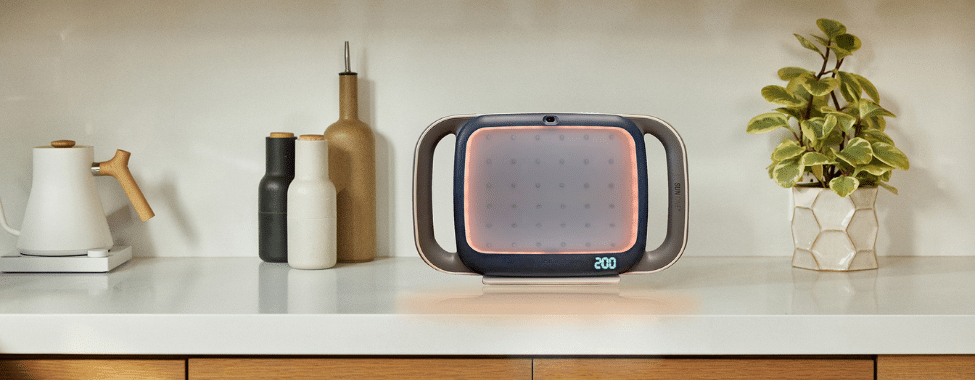
- Using a controlled UVB-light option, such as the SUN ONE® Wellness Lamp, only as directed and as part of a skin-conscious wellness plan
Vitamin D supports calcium absorption, bone health, normal muscle function, nerve signaling, and immune function.
Why Vitamin D Matters in a Wellness Routine
Vitamin D is a fat-soluble nutrient that acts more like a hormone in the body than a typical vitamin. Once it is made in the skin or consumed through food, the body processes it into forms it can use.
Its best-known job is helping the body absorb calcium. That makes vitamin D an important part of maintaining healthy bones and teeth. It also supports normal muscle function and the immune system.
For wellness enthusiasts, vitamin D is less about finding a quick fix and more about supporting the foundations that make everyday routines feel sustainable: movement, time outdoors, nourishing meals, and recovery.

1. Spend Time Outdoors
Sunlight can trigger vitamin D production when UVB rays reach exposed skin. However, there is no one-size-fits-all number of minutes that is right for everyone. The amount of UVB available changes with latitude, season, cloud cover, time of day, skin tone, age, and how much skin is exposed.
That is why a consistent outdoor habit is more useful than trying to “make up” for missed sunlight with long, unprotected exposure.
Try building small moments of outdoor time into your day:
- Take a walk outside during a work break.
- Have coffee, stretch, or read on a patio or balcony.
- Walk or bike for short errands when practical.
- Schedule outdoor movement you genuinely enjoy, such as gardening, hiking, or a casual game with friends.
- Open up your day with a few minutes outside instead of immediately reaching for a screen.
Outdoor time supports more than vitamin D. It can also make movement, fresh air, and a regular daily rhythm easier to maintain.
Keep Sun Safety in the Routine
More sun exposure is not automatically better. The skin can make only a limited amount of vitamin D at one time; staying in the sun longer can raise skin cancer risk without continuing to raise vitamin D production.
Avoid tanning beds, and protect your skin when you will be outdoors for extended periods. Broad-spectrum sunscreen, protective clothing, shade, and sunglasses all remain important parts of a healthy outdoor routine. Do not skip sun protection in an effort to boost vitamin D.
2. Prioritize Foods That Naturally Contain Vitamin D
Only a small number of foods naturally contain meaningful amounts of vitamin D, so variety helps. Fatty fish is one of the strongest food-based sources.
Consider rotating these foods into meals you already enjoy:
- Salmon
- Trout
- Sardines
- Canned light tuna
- Egg yolks
- UV-exposed mushrooms
- Cod liver oil, if appropriate for your needs and recommended by a healthcare professional
A salmon bowl, veggie omelet, tuna salad, or mushroom-forward dinner can be an easy way to make vitamin D part of a balanced meal.
Vitamin D is fat-soluble, meaning the body absorbs it along with dietary fat. Pairing vitamin D foods with nourishing fats—such as avocado, olive oil, nuts, seeds, or yogurt—can fit naturally into a well-rounded eating pattern.
3. Make Fortified Foods Work for You
Because naturally occurring food sources are limited, many everyday foods are fortified with vitamin D. That means vitamin D has been added during manufacturing to help people meet their needs more consistently.
Check nutrition labels on products such as:
- Milk and some plant-based milk alternatives
- Yogurt
- Breakfast cereals
- Orange juice
- Some cheeses
- Meal-replacement or protein drinks
Fortification levels vary widely by brand, so it is worth reading the label rather than assuming every version contains vitamin D.
A simple habit is to choose one fortified staple you use regularly. For example, you might keep a fortified milk alternative for smoothies, select a fortified yogurt for breakfast, or pair whole-grain cereal with a vitamin D-fortified beverage.

4. Build a “Vitamin D-Friendly” Day
Consistency matters more than perfection. Instead of overhauling your routine, look for a few repeatable choices that work with your schedule.
Here is one example:
- Start with an outdoor moment. Take a brief walk, sit outside with your morning drink, take a dip in the pool, or move a phone call outdoors.
- Choose a vitamin D-containing breakfast or snack. Try eggs, fortified yogurt, or a smoothie made with a fortified milk or plant-based alternative.
- Include a food source at lunch or dinner. Add salmon, sardines, tuna, eggs, or mushrooms to a meal a few times per week.
- Keep skin protection nearby. Make sunscreen, a hat, and sunglasses easy to grab before longer outdoor time.
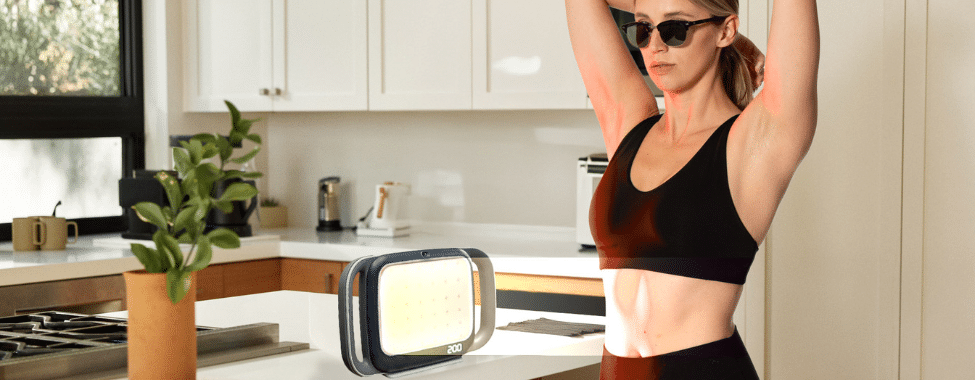
- Use the SUN ONE® Wellness Lamp. For days where natural sun exposure is limited, get your vitamin D in the comfort of your own home with a specialized lamp.
These habits are modest by design. They are easier to sustain than an all-or-nothing approach and can support a broader wellness routine built around nourishing food, regular movement, sleep, and recovery.
5. Know When Personal Factors Matter
Vitamin D needs are individual. Some people may have a harder time maintaining healthy levels because they get little sun exposure, live in northern locations, have darker skin, are older, cover most of their skin outdoors, or have health conditions that affect fat absorption.
Rather than guessing, talk with a healthcare professional if you are concerned about your vitamin D status. They can determine whether a blood test is appropriate and help you understand what your results mean in the context of your personal health.
This is especially important if you are pregnant, managing a medical condition, taking medications, have a history of kidney stones, or are considering high-dose vitamin D supplements.
6. Be Thoughtful With Supplements
Supplements can be useful when food and normal lifestyle habits are not enough, but more is not always better. Vitamin D can build up in the body, and excessive supplemental intake can be harmful.
A healthcare professional can help you decide whether a supplement is appropriate, how much to take, and whether your routine should change after a blood test. Keep in mind that vitamin D may already be present in multivitamins, calcium supplements, fortified foods, and other products.
A food-first mindset remains a helpful foundation, while supplements can fill a gap when medically appropriate.
7. Use a UVB Light for Controlled Exposure
Weather, season, shift work, geography, and indoor routines can make natural sunlight inconsistent. For people exploring a more controlled approach to UVB exposure, the SUN ONE® Wellness Lamp is designed to deliver targeted UVB light that supports the body’s natural vitamin D production process.
Unlike a changing outdoor environment, a controlled UVB-light routine can be used in short, structured sessions according to product instructions. It is still important to use any UVB device responsibly, follow all safety guidance, avoid overexposure, and speak with a healthcare professional or dermatologist if you have skin-health concerns or take medications that increase light sensitivity.
Naturally Boosting Your Wellness with Vitamin D
Naturally supporting vitamin D is about creating a balanced routine: get outside regularly, protect your skin, eat vitamin D-rich and fortified foods, and seek personalized guidance when needed.
Think of vitamin D as one useful piece of a larger wellness foundation. Small, repeatable habits can help you support your body throughout the year – without relying on extremes.
FAQs About Naturally Boosting Vitamin D
What is the best natural source of vitamin D?
Sunlight triggers vitamin D production in the skin, while fatty fish such as salmon and trout are among the strongest natural food sources. A combination of skin-safe outdoor time, food, and fortified products is often more practical than relying on one source alone.
Can I get vitamin D through a window?
No. Standard window glass blocks the UVB rays needed to trigger vitamin D production in the skin. Sunlight through a window may feel warm and bright, but it does not work the same way as direct UVB exposure.
Do I need to stop using sunscreen to get vitamin D?
No. Sun protection is still important. Do not intentionally skip sunscreen or seek excessive sun exposure to raise vitamin D levels. Food, fortified products, and healthcare-guided supplementation are safer ways to close potential gaps. CDC
How do I know if I need more vitamin D?
A healthcare professional can help determine whether vitamin D testing is appropriate. Since symptoms can be vague and needs vary from person to person, testing is more reliable than self-diagnosing.