Wellness by Design: Including Saunas in New Homes & Apartments
November 22, 2026
Wellness is becoming an increasingly important consideration in how people think about their homes and living environments. From natural daylight and improved air quality to shared fitness spaces and infrared saunas, wellness features can help make everyday living more comfortable, restorative, and supportive of physical and mental well-being.
As interest in wellness-focused lifestyles continues to grow, builders, developers, and designers are exploring new ways to integrate these features into residential construction and multifamily communities.
In this article, we’ll examine what wellness features are, why they’re gaining popularity, and how design professionals can incorporate infrared saunas into new builds and shared amenity spaces to meet the needs of modern residents.
What Are Wellness Features?
Wellness features are design elements, systems, and spaces that support physical, mental, and emotional well-being. In residential settings, these features can range from simple architectural choices that improve natural light to dedicated spaces designed for relaxation, exercise, and recovery. By considering wellness during the design process, builders and designers can create environments that better reflect how people want to live.
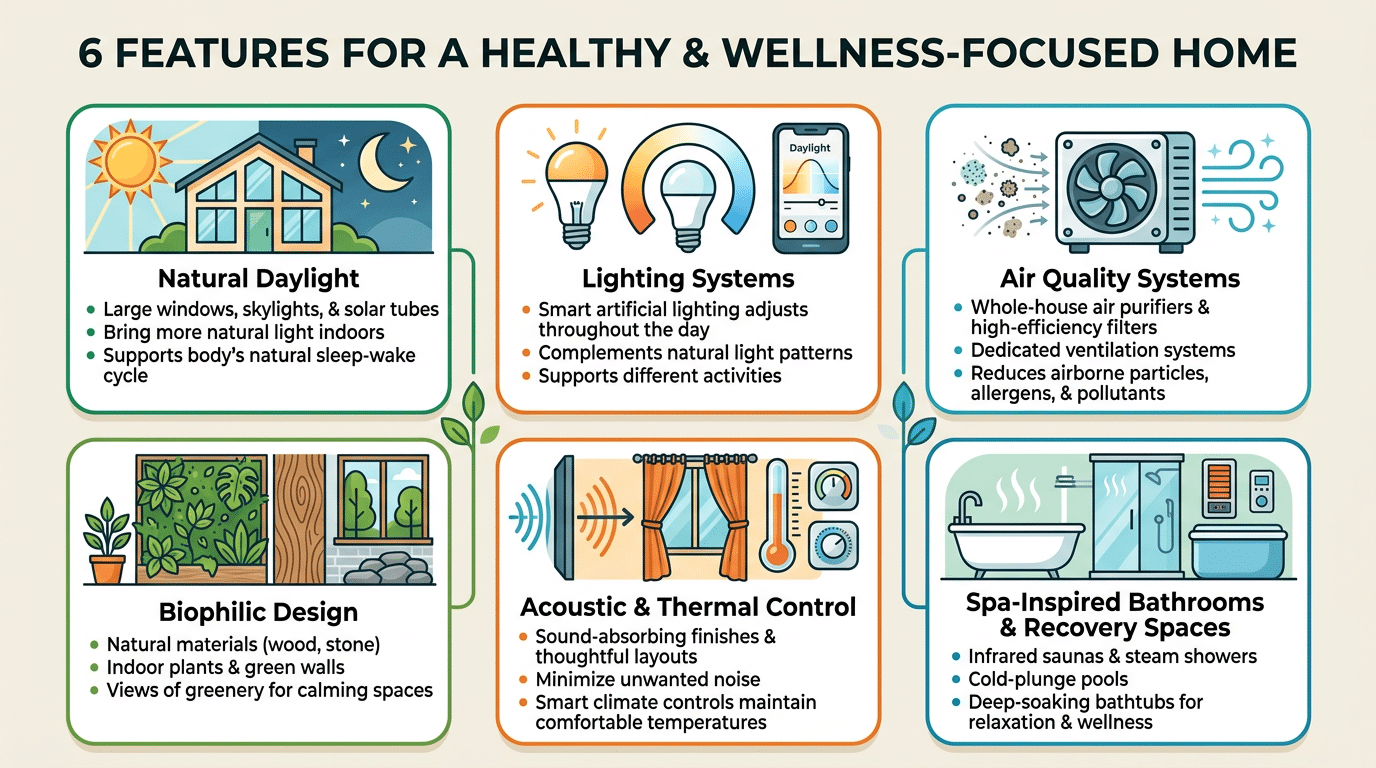
Common wellness features to consider incorporating into your space include:
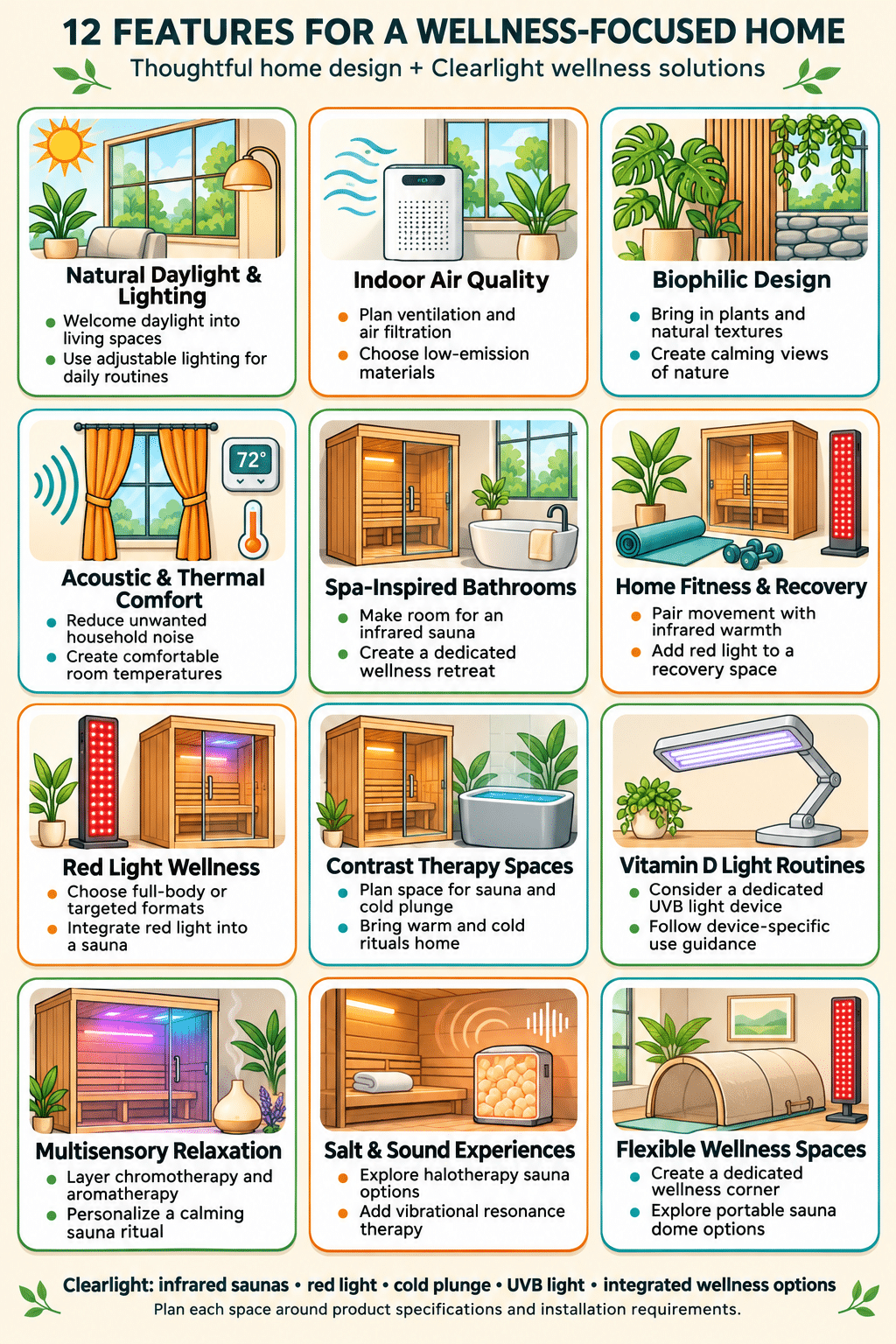
- Natural Daylight: Large windows, skylights, and solar tubes can bring more natural light indoors, helping create inviting spaces and supporting the body’s natural sleep-wake cycle.
- Lighting Systems: Smart artificial lighting can adjust color temperature and brightness throughout the day to complement natural light patterns and support different activities.
- Air Quality Systems: Whole-house air purifiers, high-efficiency filters, and dedicated ventilation systems can help reduce airborne particles, allergens, and other indoor pollutants.
- Biophilic Design: Natural materials such as wood and stone, indoor plants, green walls, and views of greenery can create a stronger connection to nature and help make indoor spaces feel more calming.
- Acoustic and Thermal Control: Sound-absorbing finishes, thoughtful room layouts, and smart climate controls can help minimize unwanted noise and maintain comfortable indoor temperatures.
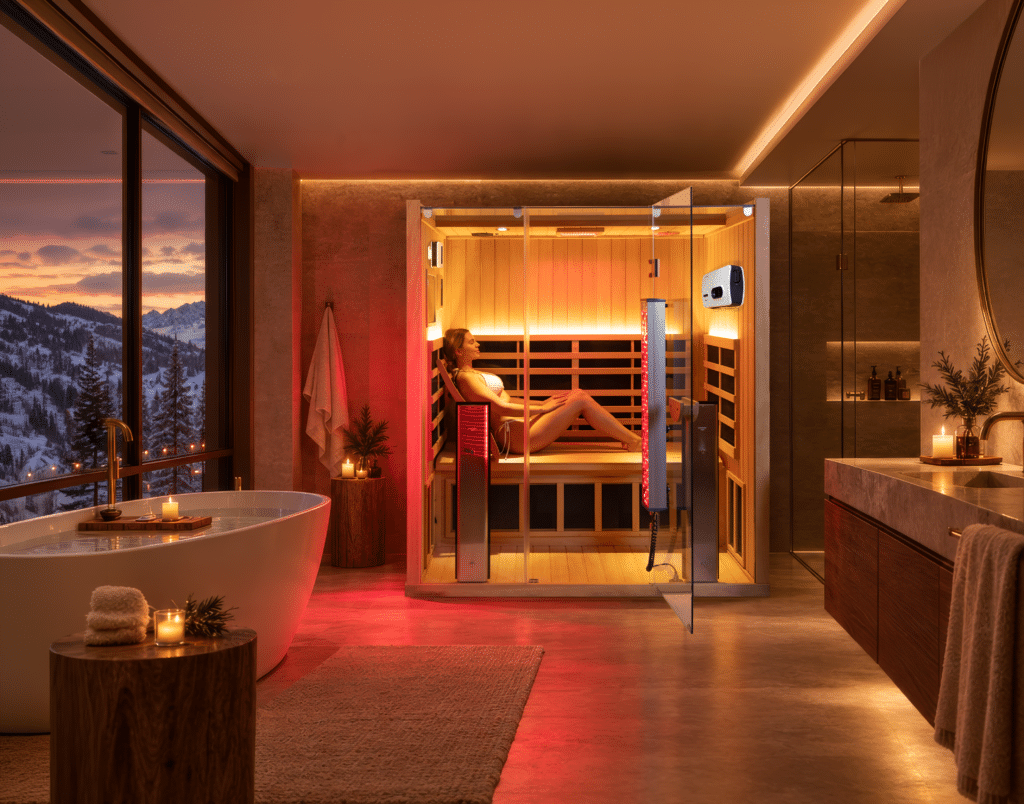
- Spa-Inspired Bathrooms and Recovery Spaces: Infrared saunas, steam showers, cold plunges, and deep-soaking bathtubs can create dedicated spaces for relaxation and personal wellness. Placing a sauna and cold plunge near each other also makes it easy to alternate between heat and cold, a practice known as contrast therapy.
The right combination of wellness features depends on individual preferences, available space, and everyday routines, so consider which elements best align with your current needs and the way you want to use your living environment.
Benefits of Wellness Features
With people spending so much of their time at home, their surroundings may influence how they feel, rest, and recharge in ways they don’t always consciously recognize. Thoughtfully designed wellness features can help make everyday routines more comfortable and encourage habits that support overall quality of life.
While no single design choice guarantees a particular outcome, a well-planned living environment may offer several potential benefits, including:
- Better Physical and Mental Well-Being: Spaces dedicated to relaxation, movement, and restorative activities may help people manage everyday stress and make time for self-care.
- Sleep and Daytime Alertness: Access to natural daylight, comfortable temperatures, and a relaxing nighttime environment may support healthier sleep routines and daytime alertness.
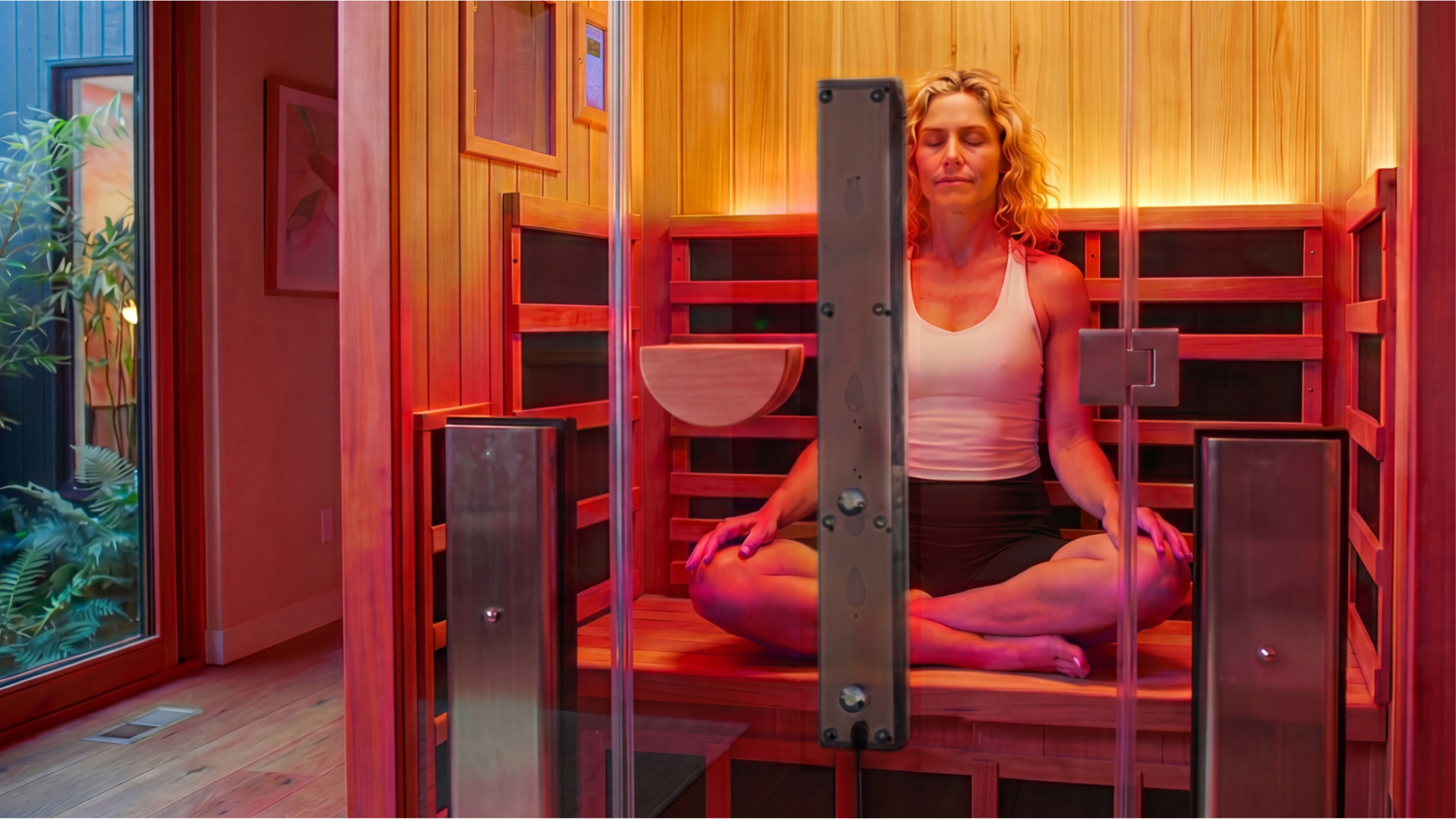
- More Opportunities for Relaxation and Recovery: Home gyms, infrared saunas, and dedicated quiet spaces can make it easier to incorporate relaxation and post-exercise recovery into everyday life.
- Stronger Social Connections: Shared wellness amenities and inviting communal spaces can encourage residents to spend time together, build relationships, and develop a stronger sense of community.
Keep in mind that results vary by individual, lifestyle, and the specific wellness features incorporated into a living space.
Why Wellness Features Are Gaining Attention
Wellness features are becoming more visible in contemporary residential design as people increasingly look for ways to make healthy, restorative routines part of everyday life.
Rather than treating wellness as something that happens exclusively at a gym, spa, or wellness center, homeowners and residents may prefer convenient access to spaces that support their personal routines. This growing interest is influencing wellness real estate trends, encouraging builders and developers to consider how residential environments can support comfort, relaxation, and community engagement.
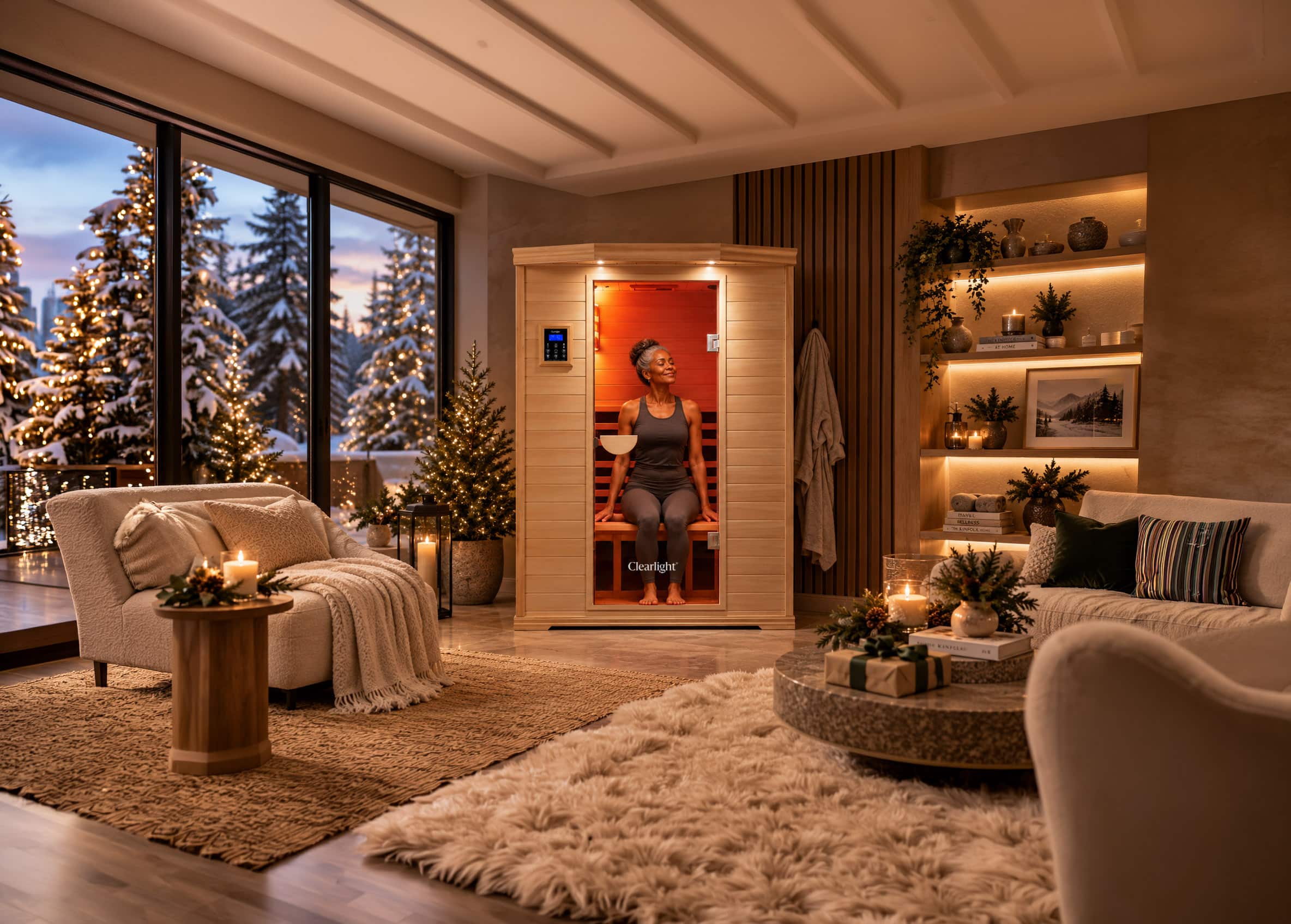
In individual homes, this shift might mean incorporating an infrared sauna near a private gym, designing a bathroom around a soaking tub, or creating a quiet room for meditation and relaxation. In multifamily communities, apartment wellness amenities may include shared saunas, fitness centers, outdoor walking paths, yoga studios, and landscaped courtyards.
When designed with accessibility, privacy, and residents’ preferences in mind, these spaces can support both personal wellness and a stronger sense of belonging.
Wellness Features and Real Estate Value
Beyond supporting everyday comfort and well-being, wellness features may also help make a property more appealing to prospective buyers.
According to the National Association of Realtors, 42% of homebuyers consider a sauna a highly desirable feature, reflecting growing interest in wellness-oriented living spaces. This trend extends to bathroom design, with more than a third (36%) of renovated bathrooms incorporating wellness-focused features, such as upgraded lighting, soaking tubs, and spa-inspired elements.
RentRedi also suggests that Clearlight custom builds could potentially increase a home’s resale value by 50–80%, although actual returns vary by property and market.
Market conditions play a role in the potential return on investment as well. Sauna installations may be especially attractive in colder regions, where year-round use is appealing, and in affluent, wellness-focused housing markets where buyers may place a higher value on premium amenities.
For builders and homeowners, choosing a sauna that fits the property’s style, location, and target market can help balance immediate wellness benefits with potential long-term resale appeal.
Incorporating Wellness into Modern Spaces
Incorporating wellness features successfully requires planning for both the space itself and the people who will use it. For builders, developers, and designers, this means considering functionality, accessibility, privacy, infrastructure, and long-term maintenance alongside aesthetics.
When incorporating a sauna, for instance, the planning process differs depending on whether it is part of a new residential build or a shared amenity space. In a new home, designers can plan the sauna’s location, electrical requirements, surrounding finishes, and connections to other wellness areas from the beginning. In multifamily developments, the focus may extend to accommodating multiple users, providing accessible circulation, selecting equipment suitable for the intended level of use, and planning for maintenance and operational needs.
Design Considerations for Residential Sauna Installations
Whether selecting a prebuilt infrared sauna or designing a custom sauna for a new build, early coordination between architects, interior designers, builders, electricians, and sauna manufacturers can help create a cohesive space.
Consider the following variables during the planning process:
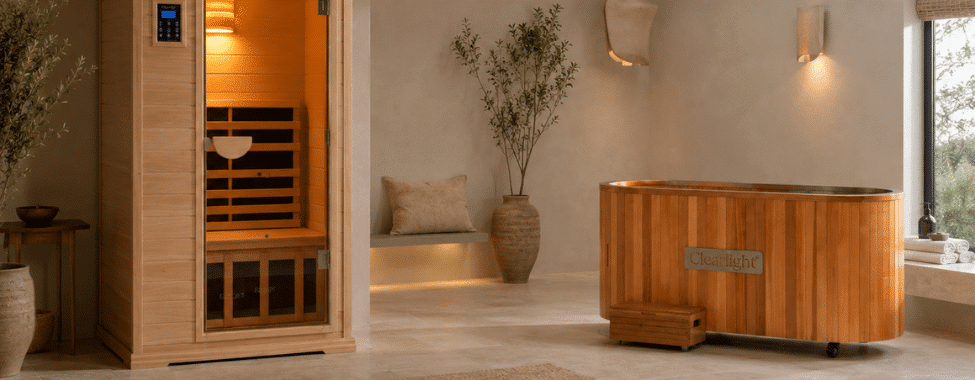
- Adjacent Recovery Zones: Position the sauna near complementary spaces, such as a private home gym, an ensuite bathroom, or a dedicated changing area. If the design includes a cold plunge, plan a practical transition between the spaces while accounting for moisture management, slip resistance, and privacy.
- Custom Millwork and Built-Ins: Integrate the sauna into the surrounding interior with open wood shelving, recessed wall niches, or cabinetry for towels and accessories. Plan storage and finishes around the sauna manufacturer’s clearance, installation, and maintenance requirements.
- Electrical Planning: Involve a licensed electrician early in the design process to determine the appropriate circuit, voltage, wiring, and electrical capacity for the selected sauna model. Coordinate concealed wiring and connection points before walls are finished, following manufacturer specifications and applicable electrical codes.
- Ventilation and Airflow: Plan adequate ventilation and air circulation for the surrounding room. Although infrared saunas generally do not generate the same steam load as steam rooms, the space still needs appropriate air exchange and consideration of heat, humidity from adjacent areas, and manufacturer ventilation recommendations.
- Smart Technology and Controls: Consider how sauna controls will fit into the home’s technology ecosystem. Depending on the model, options may include accessible control panels, app-based functions, timers, and Bluetooth audio. Confirm compatibility and required connectivity before finalizing the design.
- Lighting and Chromotherapy: Coordinate interior lighting features, such as built-in LED chromotherapy, with the ambient lighting outside the sauna. Dimmable sconces or recessed ceiling lights can help create a cohesive atmosphere, while all lighting and electrical components should be suitable for their intended environment
Explore Clearlight’s owner resources for additional information to support your sauna installation planning.
Multifamily and Shared Amenity Spaces
In multifamily communities, hospitality developments, and shared residential wellness facilities, sauna design must account for a broader range of users and operational requirements.
Two important considerations are:
- Accessibility and Inclusive Design: Work with qualified design professionals to provide accessible routes, appropriate door clearances, usable controls, and adequate maneuvering space. Confirm applicable federal, state, and local accessibility standards, including requirements for the specific facility and installation.
- Scalable Wellness Suites: Consider modular multi-person cabins or commercially rated sauna systems designed for the anticipated frequency of use. Select capacity and equipment based on available floor area, accessibility, electrical infrastructure, cleaning requirements, and the resources available for ongoing maintenance.
For both private and shared installations, early planning helps avoid expensive changes later and makes it easier to deliver a wellness space that feels integrated with the overall design.
Wellness Features in Practice
Wellness-focused residential design works best when features are planned around the people who will actually use them. As this article has explored, natural lighting, air quality, comfortable interiors, communal spaces, and dedicated wellness amenities can all contribute to a more supportive living environment. Infrared saunas are a particularly versatile option, but their value depends on how thoughtfully they are incorporated into the finished space.
For builders and designers seeking a flexible sauna solution, Clearlight’s Sanctuary™ Saunas offer a combination of comfort, contemporary styling, and features suited to a range of residential wellness environments. As with any sauna installation, builders should verify model-specific dimensions, electrical requirements, clearances, and other installation details to ensure the selected configuration fits the project.
Ultimately, thoughtfully designed wellness features can enhance a property’s appeal while helping create living environments that better support the comfort, routines, and quality of life of the people who use them.
Frequently Asked Questions
What are wellness features?
Wellness features are design elements, systems, and spaces intended to support physical, mental, and emotional well-being. Examples include natural lighting, air quality systems, biophilic design, fitness areas, and infrared saunas.
Why are saunas a popular option for wellness spaces?
Saunas provide a dedicated space to unwind, with potential benefits including relaxation, temporary relief from muscle soreness, and easing joint stiffness. These infrared sauna health benefits make them an appealing addition to private homes and shared residential amenities. Infrared models can accommodate different interior layouts, depending on the available space and the selected model’s installation requirements.
What are some design considerations to keep in mind when incorporating a sauna into a wellness space?
Consider the sauna’s location, electrical requirements, ventilation, clearances, lighting, accessibility, and proximity to complementary spaces. For multifamily projects, also account for anticipated usage, privacy, cleaning, maintenance, and applicable building and accessibility codes.