In Japan, warmth has always been more than comfort. From the communal bathhouses of the Edo period to the meditative stillness of a cedar-scented sauna room, the Japanese relationship with heat runs deep, woven through culture, ritual, and now, clinical medicine.
Waon Therapy
Waon therapy — literally “soothing warmth” — was developed in the 1990s by Dr. Chuwa Tei at Kagoshima University in Japan. Unlike a traditional sauna, which subjects the body to intense, dry heat, waon uses a far-infrared dry sauna maintained at a gentler 60°C (140°F) for around 15 minutes, followed by 30 minutes of rest under warm blankets to prevent a rapid drop in core temperature.
The results captured the attention of cardiologists worldwide. Regular waon / far infrared sessions were shown to improve cardiac function in patients with chronic heart failure, reduce arterial stiffness, ease symptoms of peripheral arterial disease, and even improve quality of life for those with chronic fatigue syndrome. The key mechanism appears to be repeated, gentle dilation of blood vessels — training the cardiovascular system in much the way light exercise does, but accessible even to those too ill to move.
“Far infrared therapy is not about sweating out toxins or enduring heat. It is about letting warmth do its quiet work.”
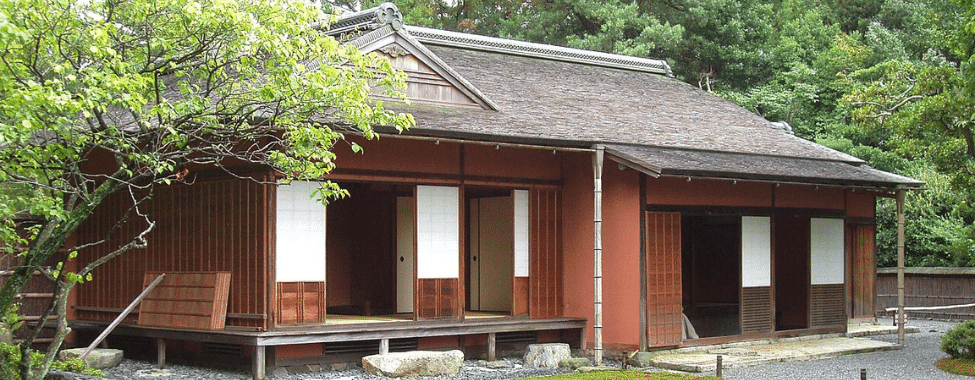 Source: Daderot
Saunas in Japanese Life
Long before waon / far infrared therapy became a medical protocol, the Japanese were devotees of heat bathing. The public bathhouse – the sentō – was a cornerstone of daily life for centuries, a place to cleanse the body, exchange gossip, and dissolve the social tensions of a densely-packed society. Saunas arrived later, imported from Finland in the postwar decades, but Japan absorbed them with characteristic thoroughness.
Today, Japan has one of the highest per-capita sauna densities in the world, with thousands of facilities embedded inside hotels, gyms, onsen resorts, and dedicated sauna clubs. The practice of alternating between a hot sauna, cold plunge, and quiet outdoor rest — known as totonou (整う), meaning “to become balanced” – has become something of a cultural phenomenon, particularly among younger urban professionals seeking relief from the pressures of city life.
What sets Japanese sauna culture apart is its emphasis on stillness and protocol. Conversation is kept low or absent. Mobile phones are left outside. Time inside is measured and intentional. It is, in essence, a secular meditation – the heat doing what the mind sometimes cannot.
Where Tradition Meets Treatment
The rise of waon / far infrared therapy as a recognized medical treatment reflects something the Japanese have long understood intuitively: that carefully applied heat heals. As researchers in Europe and North America continue to validate the cardiovascular and metabolic benefits of regular sauna use, Japan finds itself ahead of the curve – not because it discovered something new, but because it never stopped believing in something ancient.
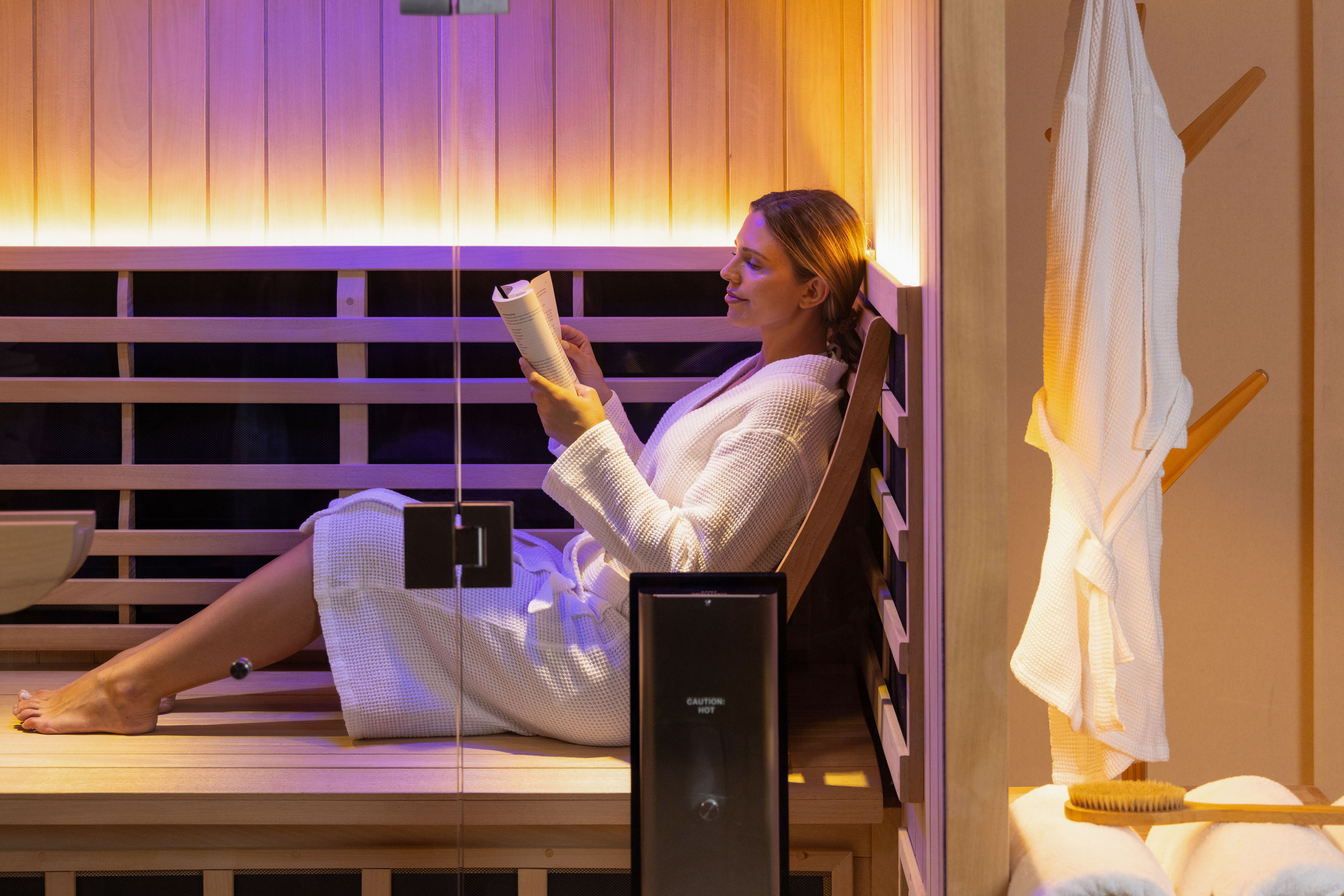
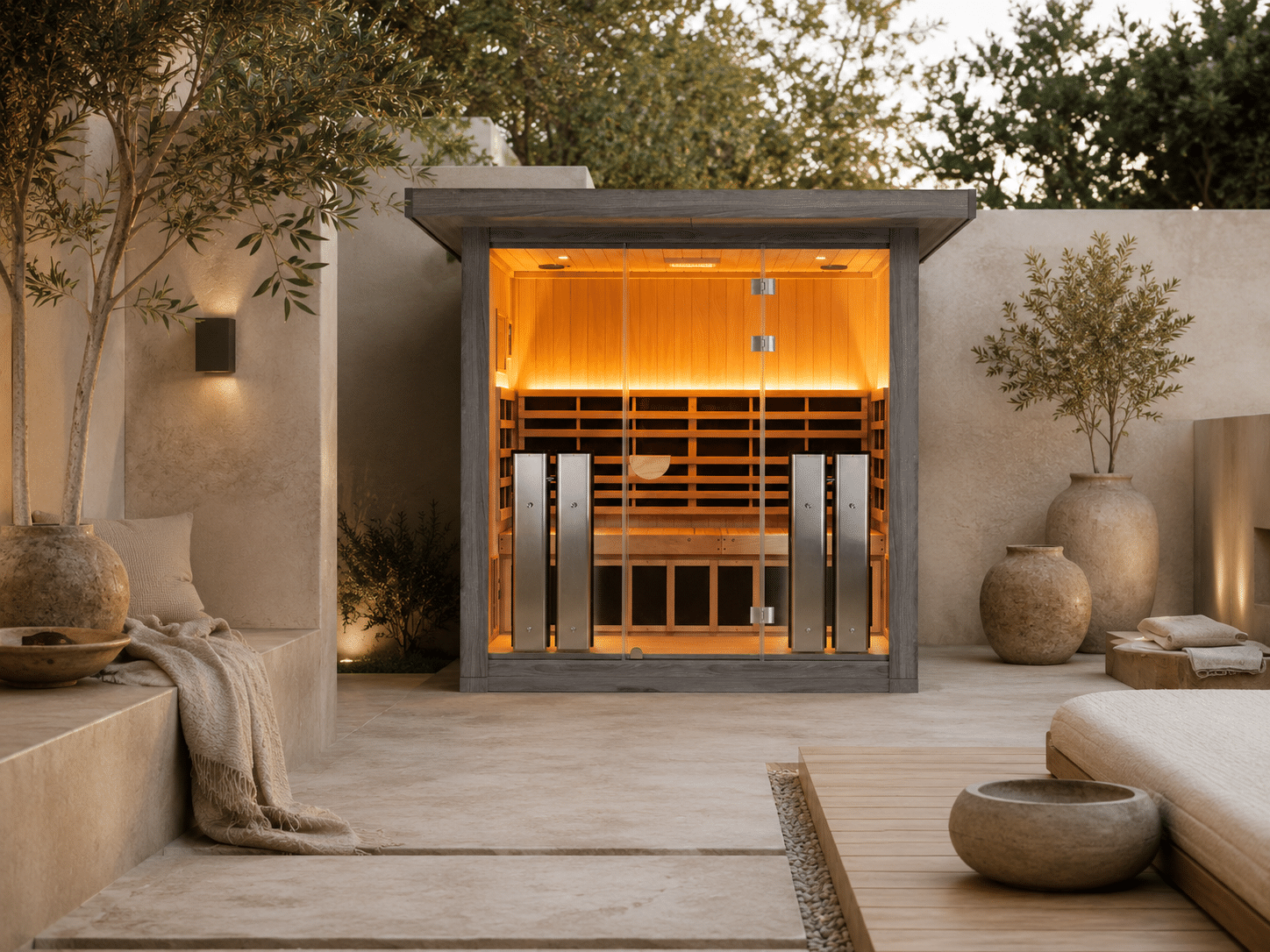
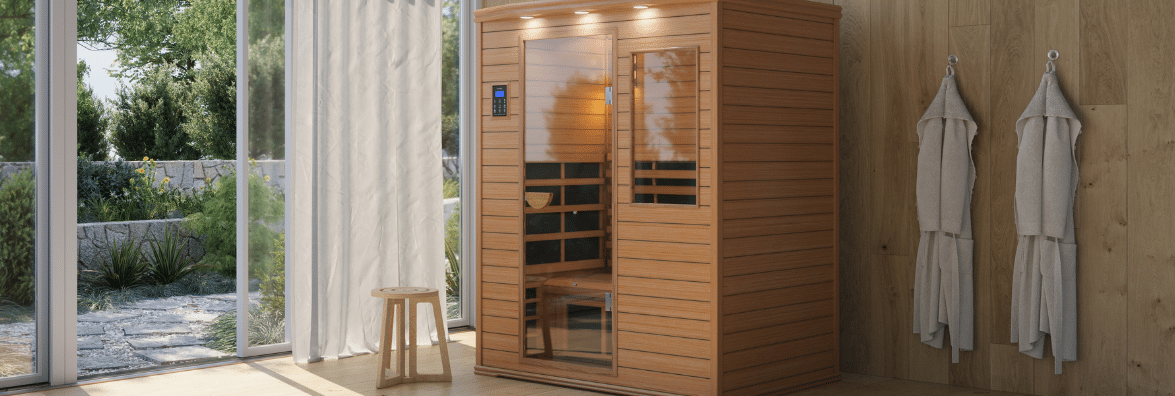
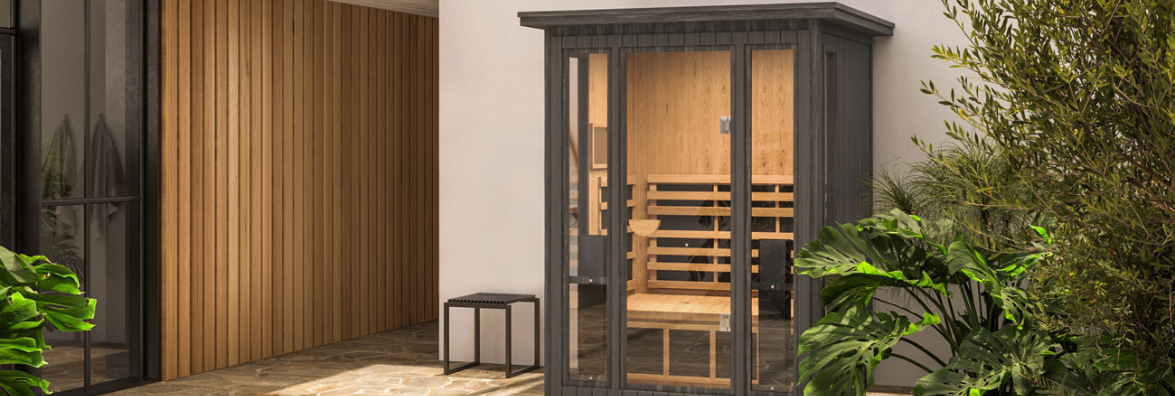
You can now experience infrared therapy in the privacy of your home with a Clearlight Infrared Sauna. Healife is the official Japanese distributor of Clearlight, a premium far-infrared and full spectrum sauna brand from the United States. Healife primarily focuses on the Clearlight “Sanctuary series” full spectrum saunas delivering near, mid and far infrared therapy. Sizes range from single-person to multi-person sizes, including compact models suitable for apartments and houses.
Clearlight is a globally renowned brand, highly regarded for its low EMF design, high-quality materials, and safety features. Healife delivers genuine Clearlight products to Japanese customers, upholding their quality standards and design philosophy. If you are considering a far-infrared sauna, please visit the Healife official website.
Official website: https://www.healife.jp
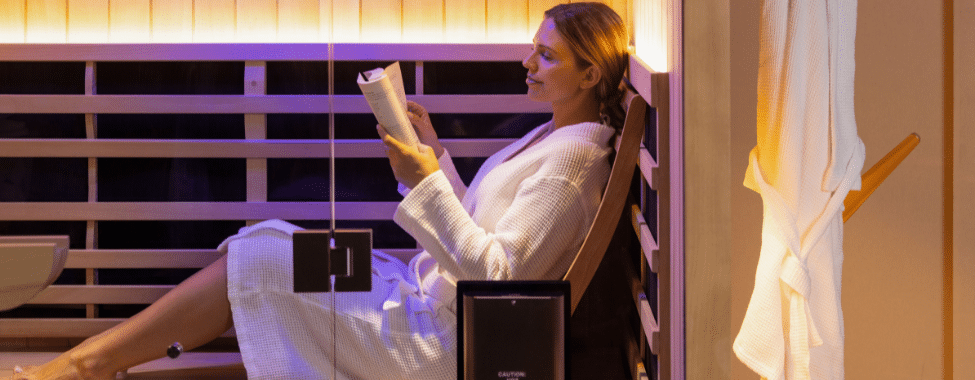
温熱がもたらす静かな癒し
日本において「温まる」という行為は、単なる快適さ以上の意味を持ってきました。
江戸時代の銭湯文化から、静寂に包まれたサウナ空間まで、日本人と温熱との関係は、文化・習慣・休息の感覚と深く結びついています。
近年では、その「穏やかな温熱」が医療・ウェルネス研究の分野でも注目されるようになっています。
和温療法(Waon Therapy)
和温療法(Waon Therapy)は、1990年代に鹿児島大学の鄭忠和医師らによって研究・開発された温熱療法です。
一般的な高温サウナとは異なり、約60℃に保たれた低温の遠赤外線乾式サウナに約15分入った後、毛布などで約30分安静保温を行うのが基本プロトコルとされています。
この温熱法は、日本和温療法学会の報告によれば、慢性心不全患者に対する循環動態への影響や、血管機能・生活の質(QOL)への可能性が研究されています。
特に、穏やかな温熱による血管拡張作用や、一酸化窒素(NO)産生への関与が注目されており、身体に過度な負荷をかけずに循環をサポートする可能性が示唆されています。
また、和温療法は「強い熱刺激」ではなく、身体に負担をかけにくい穏やかな温熱環境を重視している点も特徴です。
「遠赤外線温熱は、“強い熱に耐える”ものではなく、穏やかな温もりによって心身を整えるアプローチとして研究されています。」
(参考:日本和温療法学会「和温療法の過去・現在・未来」)
日本人とサウナ文化
和温療法が研究される以前から、日本には温浴文化が深く根付いていました。
銭湯は長年にわたり、人々が身体を清め、交流し、日々の疲れを癒す場所として親しまれてきました。
サウナ文化は戦後にフィンランドから広まりましたが、日本独自の進化を遂げます。
現在では、日本は世界でも有数のサウナ大国の一つとなり、ホテル、温浴施設、スポーツクラブ、専門サウナ施設など、数多くのサウナが存在しています。
近年では、
- サウナ
- 水風呂
- 外気浴
を組み合わせる「整う(totonou)」という文化も広がり、都市生活のストレスから距離を置くリラクゼーション習慣として注目されています。
日本のサウナ文化の特徴は、「静けさ」と「節度」にあります。
大きな会話を避け、スマートフォンを持ち込まず、一定時間静かに熱と向き合う。
それは単なる発汗ではなく、現代人にとっての“静かな休息時間”とも言えるかもしれません。
伝統と現代ウェルネスの交差点
和温療法の研究は、日本人が古くから感覚的に理解してきた「温熱による安らぎ」を、現代医学の視点から検討しようとする試みとも言えます。
欧米でもサウナ研究は進んでおり、温熱環境と循環・リラクゼーション・コンディショニングとの関連が継続的に研究されています。
日本は、その文化的土台をすでに長く持っていた国の一つなのかもしれません。
自宅に、静かな温熱空間を
ClearlightのSanctuaryシリーズは、単なる高温サウナではなく、穏やかな温熱環境の中で静かに過ごすためのウェルネス空間として設計されています。
近赤外線・中赤外線・遠赤外線を組み合わせたフルスペクトラム設計に加え、低EMF設計や天然木素材など、快適性と安全性への配慮も特徴です。
Healifeは、アメリカのプレミアムサウナブランド Clearlight の日本公式正規代理店として、日本国内向けに正規製品とサポートを提供しています。
1人用から複数人用まで、住環境に合わせたさまざまなモデルを展開しています。
遠赤外線サウナに興味をお持ちの方は、Healife公式サイトをご覧ください。
公式サイト:https://www.healife.jp
参考文献
- 鄭忠和「和温療法の過去・現在・未来」日本和温療法学会誌 https://www.jstage.jst.go.jp/article/waon/1/0/1_4/_html/-char/ja
- Tei C, et al. Waon therapy for cardiovascular disease: innovative therapy for the 21st century. Circulation Journal.