
How Salt Therapy Fits Into Your Winter Wellness Routine
November 26, 2026
Salt therapy has grown in popularity in recent years, yet many people are still unfamiliar with the practice or unsure what it actually involves.
Salt therapy is often associated with spa-like salt rooms and calming wellness rituals. However, it covers several approaches that use salt in different ways. Some have shown promise for breathing, skin health, and stress relief, though the research is still early. It’s important to understand what the evidence does, and does not, say about its potential health benefits.
Salt therapy comes in three main forms: dry salt therapy, wet salt therapy, and flotation therapy. In this guide, we’ll cover what salt therapy is, each type, what it involves, how a halogenerator works, and how to choose the one that makes the most sense for your winter wellness routine
What Is Salt Therapy?
Salt therapy is a wellness practice that uses salt in different forms, from breathing in tiny airborne salt particles to soaking in mineral-rich water. Dry salt therapy, also known as halotherapy, is designed to recreate aspects of the air found in natural salt caves and mines.
Modern halotherapy has developed methods to recreate these conditions in dedicated salt rooms, and it has since found a place in spas and at-home wellness routines. Today, practitioners commonly report benefits such as relaxation, a sense of easier breathing, and potential temporary relief from skin discomfort.
Different Types of Salt Therapy
Once you understand the basics of salt therapy, you can explore the different approaches and decide which one best suits your wellness goals. Although each uses salt differently, they can all offer an opportunity to slow down and make time for yourself.
- Dry salt therapy: Also called halotherapy, this approach uses a device called a halogenerator to disperse fine, dry salt particles into the air. People breathe in the salt aerosol during a session in a salt room or enclosed space.
- Wet salt therapy: This approach uses salt dissolved in water rather than dry salt particles dispersed through the air. Examples include saline inhalation sessions and saltwater rinses or soaks.
- Flotation therapy: This practice involves floating in a tank or pool of water saturated with Epsom salt, which is magnesium sulfate. The salt increases the water’s buoyancy, making it easier to float with little effort. Rather than breathing in salt particles, participants typically use the quiet, low-stimulation environment to relax.
Salt Therapy Benefits
Salt therapy practitioners report a range of potential benefits, from respiratory comfort to relaxation. In dry salt therapy, the idea is that inhaled salt particles may interact with mucus and the airways to support comfortable breathing, while the calm environment can make a session feel restorative.
Potential benefits people commonly seek include:
- Respiratory comfort: Inhaled salt particles may help loosen mucus and support its clearance from the airways.
- Skin comfort: Salt-based therapies can provide mild exfoliation, and some people report temporary relief from skin discomfort.
- Stress reduction: A quiet, spa-like setting can provide an opportunity to step away from daily distractions, relax, and practice mindfulness.
- Deep relaxation: Salt therapy is sometimes paired with breathing exercises, meditation, or other calming practices that encourage you to slow down.
- Immune health: Some practitioners suggest salt therapy may support immune health and general wellness.
However, research is still developing, and benefits depend on the method used, the individual, and are not guaranteed. This information should not be taken as medical advice or a substitute for care from a qualified health professional.
What Is a Halogenerator?
A halogenerator is a device used in dry salt therapy, or halotherapy, to produce and disperse tiny salt particles into the air. A traditional dry-salt system processes pharmaceutical-grade sodium chloride into fine particles and distributes them throughout a salt room, cabin, or booth. Halogenerators, unlike decorative salt features, are designed to disperse salt particles into the air.
Traditional halogenerators need a few key components:
- Installation: In a dedicated salt room, a unit may be mounted flush against an exterior wall, with a pass-through sleeve for its connections. The exact installation varies by machine and room design.
- The feeder: Regulates the flow of dry salt crystals into the processing mechanism.
- The mill or grinder: Uses a motor and grinder to break the salt into fine particles.
- The fan and housing: Disperses the resulting salt particles into the room, cabin, or booth.
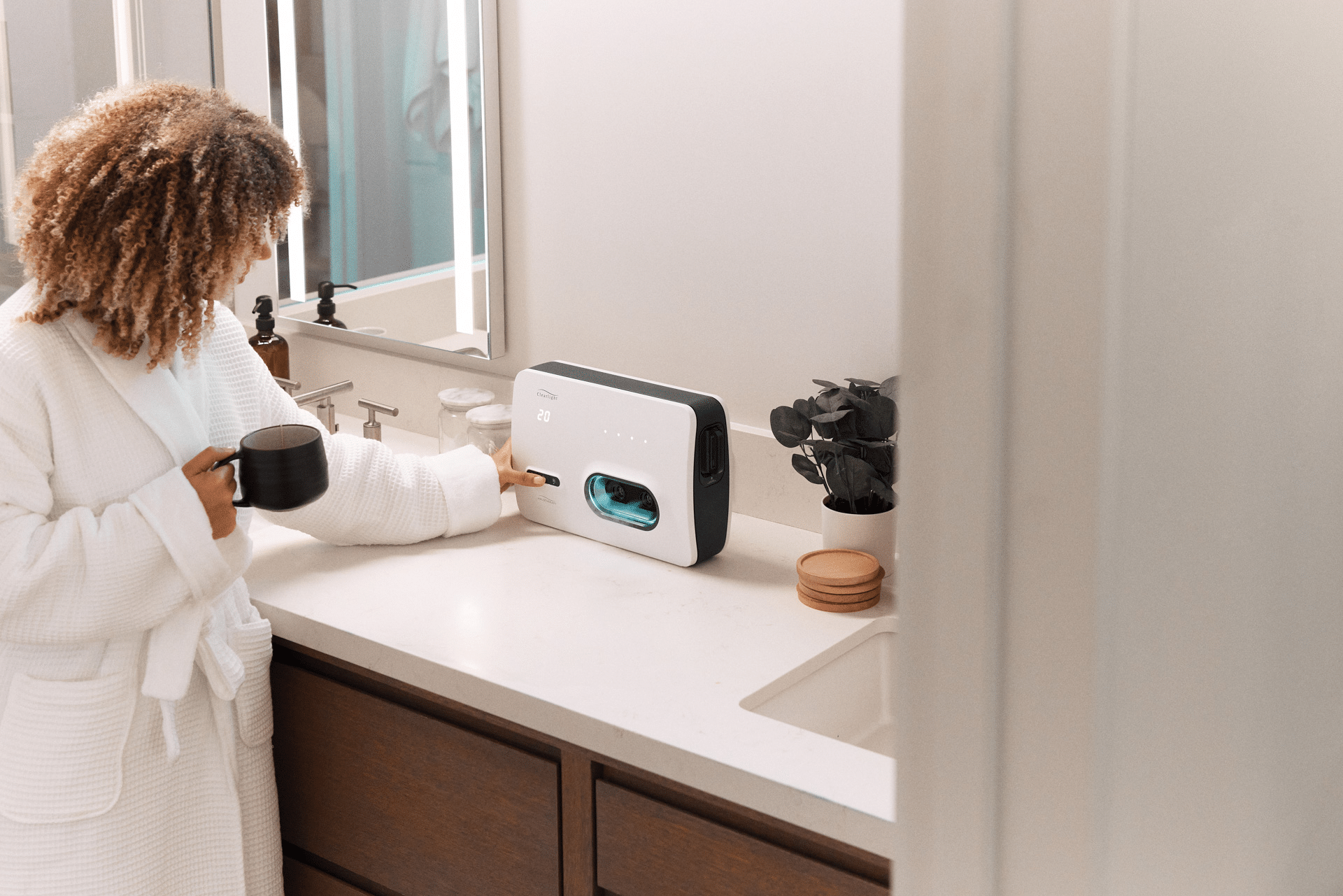
One important distinction: not all salt therapy devices use a traditional dry-salt grinder. Clearlight’s HALO ONE® At-Home Salt Therapy System, for example, uses a liquid saline mixture and Vibrating Mesh Technology to disperse microscopic particles into the air.

Introducing Salt Therapy Into Your Daily Routine
Therapy stacking means combining a few wellness practices into one routine, such as pairing sauna with meditation, gentle stretching, or aromatherapy. Salt therapy can easily fit into most daily routines without much change. For example, you might use a salt therapy device during a quiet evening, then take a warm shower, followed by a few minutes of mindful breathing, all while stepping away from screens for the night.
It’s easy to forget that rest and relaxation are important parts of well-being. During winter, shorter days and colder weather can mean more time indoors and fewer chances to get outside. Instead of filling every quiet moment with tasks, turn some of that time into downtime. Slow down by breathing naturally, listening to calming music, or spending a few minutes journaling about your day.
Salt therapy may complement that experience by giving you another reason to pause and make space for yourself. Winter can be a practical time to experiment with new wellness rituals because you may already be spending more time inside. Start with an approach that fits your space, budget, and comfort level, and pay attention to how you feel.
If you’re considering salt therapy for a respiratory or skin concern, talk with a healthcare professional rather than using it in place of recommended treatment.
Start Your Salt Therapy Journey
As salt therapy grows in popularity, practitioners are reporting potential benefits ranging from respiratory comfort to relaxation, though research remains limited. For now, the recommendation is to approach salt therapy with an understanding of each method to help choose one that fits your personal goals.
Clearlight’s HALO ONE® Salt Therapy offers a convenient option designed for use in Clearlight® Infrared Saunas or in your home or office. Its quiet operation makes it easy to incorporate into a personal wellness ritual, whether you’re taking time to unwind after a busy day or creating a dedicated space for relaxation.
This winter, make the most of your R&R time by exploring whether salt therapy belongs in your wellness routine.
FAQs About Salt Therapy
What is salt therapy?
Salt therapy is a wellness practice that uses salt in different forms, including inhaled particles, saline solutions, and salt-rich water. Dry salt therapy, known as halotherapy, uses a device to disperse fine salt particles into the air.
What are the main benefits of salt therapy?
Practitioners report potential benefits such as respiratory comfort, skin comfort, and relaxation, but scientific evidence for many of these claims remains limited.
What is a halogenerator?
A halogenerator is a device that disperses fine salt particles into the air for dry salt therapy. Traditional models grind dry salt crystals, while some devices, including Clearlight’s HALO ONE®, use a liquid saline mixture and vibrating mesh technology to disperse microscopic particles.